••
Ramaphosa Urges Calm as Xenophobic Violence Strains South Africa’s Ties with Ghana and the Continent
•3 min read•17 sources
South African President Cyril Ramaphosa has issued an urgent appeal for national unity, calling on citizens to cease the ‘scapegoating’ of foreign nationals for domestic issues such as crime and the country's 42% youth unemployment rate. Speaking during Youth Day commemorations, the President emphasized that South Africa’s socio-economic challenges are rooted in local governance and structural issues rather than the presence of migrants. This plea comes as the country faces a volatile wave of anti-immigrant protests and a June 30 ultimatum set by vigilante groups demanding the removal of undocumented foreign nationals. The unrest has already prompted several African nations, including Ghana, Malawi, and Mozambique, to initiate voluntary repatriation and evacuation plans for their citizens caught in the crossfire.
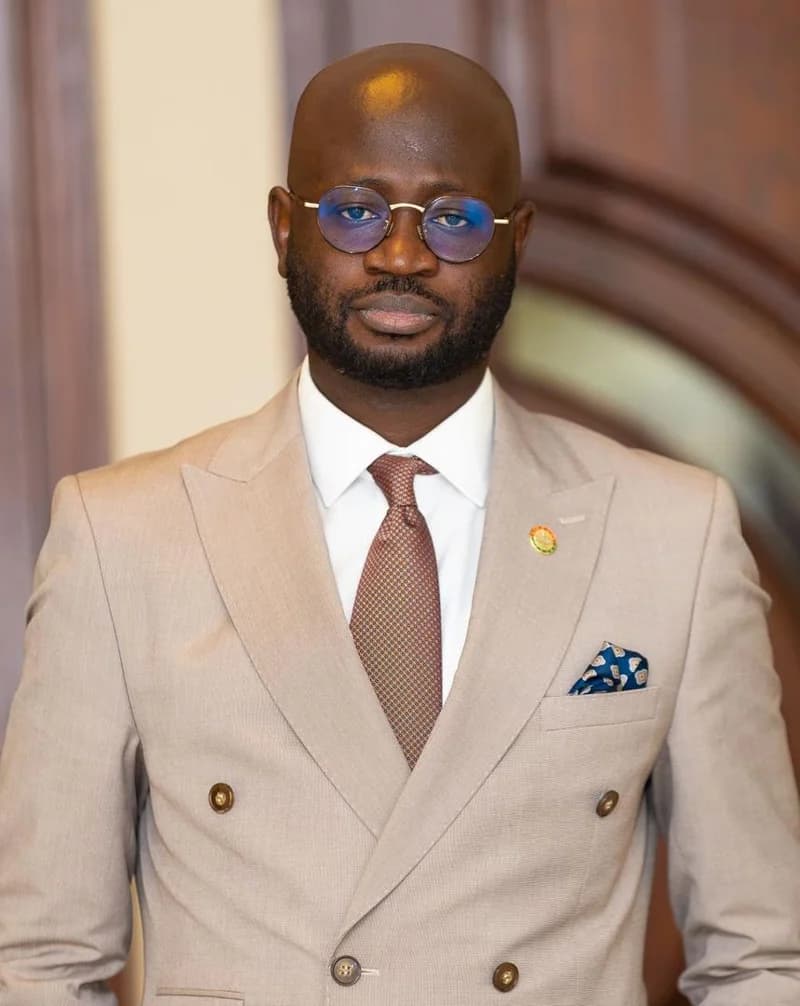
In Ghana, the situation has sparked significant debate within Parliament regarding the safety of the Ghanaian diaspora. Nana Asafo-Adjei, the Member of Parliament for Bosome Freho, revealed that approximately 49,000 Ghanaians continue to reside in South Africa despite the rising tensions. He urged the Ministry of Foreign Affairs to move beyond ad hoc reactions and adopt a robust diplomatic strategy to safeguard the rights and livelihoods of these citizens. Complementing this call, former Minister Samuel Abu Jinapor has advocated for the establishment of a formal national evacuation law. Jinapor argued that a structured legal framework is essential for protecting Ghanaians facing international crises, citing both the current xenophobic attacks and previous emergencies like the COVID-19 pandemic as evidence of the need for policy-driven preparedness.
The violence is causing significant diplomatic and economic blowback for South Africa on the global stage. Justice Minister Mmamoloko Kubayi warned that the surge in xenophobia is damaging the nation’s reputation and affecting South African businesses and artists operating abroad, many of whom have seen performances and contracts canceled in protest. International organizations, including the World Health Organization, have condemned the violence, while analysts warn that the unrest threatens to undermine critical continental integration efforts, such as the African Continental Free Trade Area (AfCFTA). Despite the danger, some migrants, such as Princess Adjei, a Ghanaian woman in Durban who became homeless after her salon was looted, have expressed a determination to stay, citing deep-rooted familial and cultural ties to the country.
As the June 30 deadline approaches, the South African government faces a critical challenge in balancing internal security pressures with its identity as a leader in Pan-African unity. While President Ramaphosa has promised that security agencies will maintain order and manage immigration enforcement through state institutions, the persistent influence of populist sentiments ahead of local elections remains a concern. For Ghana and its neighbors, the crisis serves as a catalyst for refining foreign policy and disaster management protocols, ensuring that the protection of citizens abroad remains a priority in an increasingly unstable regional environment.
This story touches markets covered on Anansi Intelligence ↗.
More from politics
Continue exploring similar stories


