••
PURC Tariff Hikes Spark Political Backlash and Calls for ECG Operational Reform Amid Declining Budget Transparency
•3 min read•9 sources
Ghana's political landscape is currently dominated by a sharp backlash against the Public Utilities Regulatory Commission’s (PURC) decision to increase utility tariffs, coupled with alarming reports of declining national budget transparency. Effective July 1, 2026, electricity tariffs are set to rise by 3.49% while water costs will increase by 0.85%. This move has drawn fierce criticism from the Minority Caucus in Parliament, who describe the adjustments as a "betrayal" of promises to lower the cost of living. The hikes come at a sensitive time as recent data from the International Budget Partnership reveals that Ghana’s Open Budget Survey (OBS) score has plummeted to 25%, down from 30% in 2023, signaling a significant regression in the accessibility of fiscal information and public participation.
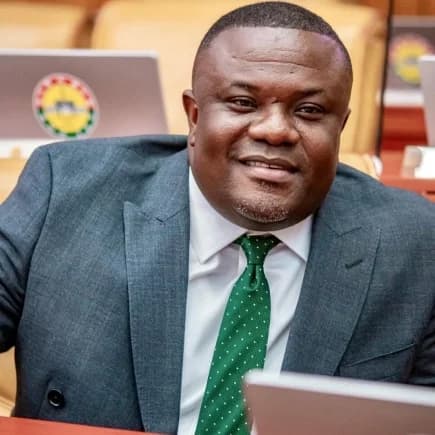
Collins Adomako-Mensah, Ranking Member on the Energy Committee, led the Minority’s charge by questioning the rationale behind the increases, particularly given government claims of a stronger cedi and reduced inflation. He highlighted that electricity tariffs have cumulatively increased by 26.82% since January 2025, far outstripping wage growth. This sentiment was echoed by Samuel Dubik Mahama, the former Managing Director of the Electricity Company of Ghana (ECG), who argued that tariff hikes are a "stop-gap" measure that fails to address the utility’s fundamental operational failures. Mahama, along with Effia Member of Parliament Isaac Boamah-Nyarko, emphasized that the focus should be on fixing revenue leakages and improving metering software rather than placing an unsustainable financial burden on consumers for inefficiencies they did not create.
Adding a structural perspective, Dr. Kojo Asante of CDD-Ghana has called for increased private sector participation and competition within the electricity distribution sector to drive efficiency and lower costs. Asante argued that the current monopoly structure protects governance failures, forcing the public to pay for mismanagement. This lack of accountability is reflected in the 2025 OBS report, where Ghana’s transparency score of 22% fell drastically short of the 61% global benchmark for sufficient information. With only five out of eight critical budget documents available online, civil society groups like SEND Ghana are demanding stricter adherence to the Public Financial Management Act to ensure that parliamentary oversight—which currently sits at a low 28%—is restored.
As the debate intensifies, media platforms are broadening the discussion to include other political tensions, such as the internal NPP controversy surrounding Kennedy Agyapong and his comments on the stalled Afari Military Hospital project. These overlapping issues of utility costs, budget secrecy, and political accountability highlight a growing demand for transparency in how the state manages both its fiscal resources and its service providers. The next steps for the government and PURC will likely involve defending the tariff calculations in the face of calls for greater transparency and demonstrating a commitment to the operational reforms advocated by both political rivals and industry experts.
This story touches markets covered on Anansi Intelligence ↗.
Related topic
NPP (New Patriotic Party): Latest News →Live rates
Dollar to cedi rate →More from politics
Continue exploring similar stories


