••
African Developments: Pope Leo XIV Calls for Peace in Cameroon as Zimbabwe Reclaims Cultural Heritage
•2 min read•10 sources
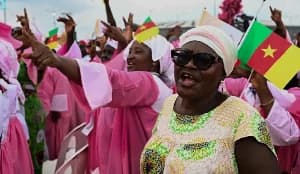
Africa has experienced a landmark week defined by spiritual gatherings, cultural restoration, and complex diplomatic maneuvers. In Douala, Cameroon, over 120,000 people attended an open-air Mass led by Pope Leo XIV, marking the largest assembly of his 11-day African tour. The Pope utilized this platform to advocate for peace in the conflict-ridden nation and issued a modern warning regarding the role of artificial intelligence in fueling societal division and violence. Simultaneously, Zimbabwe celebrated the historic return of the iconic Zimbabwe Bird, a soapstone national icon repatriated from South Africa after 137 years. President Emmerson Mnangagwa described the sculpture’s return, alongside eight sets of ancestral human remains, as a vital restoration of cultural identity that aligns with the country’s independence anniversary. Beyond these high-profile events, legal and migration issues have also shaped the continental narrative. In Morocco, authorities released three Senegalese football fans who had completed three-month prison sentences for their involvement in violence during the Africa Cup of Nations final in Rabat. While the Senegalese embassy welcomed these individuals, fifteen other fans remain incarcerated with sentences ranging up to one year following unsuccessful appeals. This legal resolution comes as the Democratic Republic of Congo (DRC) enters a unique humanitarian arrangement with the United States. The DRC has accepted its first group of fifteen deportees from the US, notably consisting of Colombian and Peruvian nationals. This temporary relocation program, funded by the US, is part of a broader American immigration crackdown and coincides with strategic negotiations over regional mineral resources and peace initiatives. These diverse events reflect a continent navigating the weight of its colonial past while addressing the technological and diplomatic challenges of the future. The repatriation of artifacts in Zimbabwe and the Pope's spiritual outreach in Cameroon demonstrate a strong push for internal healing and identity reclamation. Meanwhile, the developments in Morocco and the DRC highlight the intricacies of international cooperation and the ongoing challenges of regional stability. As African nations continue to assert their presence on the global stage, these stories collectively illustrate a period of transition where tradition and modern policy intersect to shape the future of the region.
This story touches markets covered on Anansi Intelligence ↗.
More from africa
Continue exploring similar stories


