••
Pognaa Salma and Angeline Garwe Lead Community-Driven Conservation and Food Security Initiatives in Ghana and Zimbabwe
•3 min read•4 sources
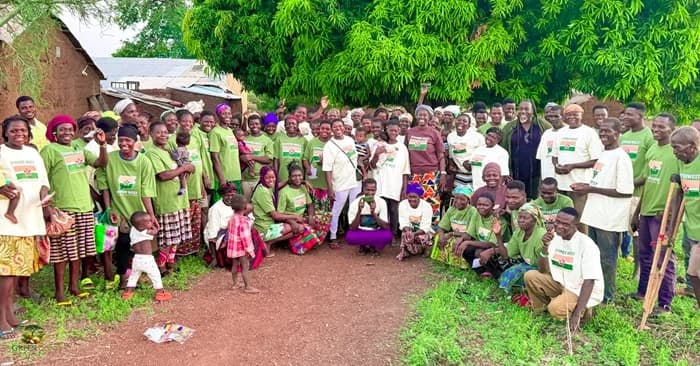
Across the African continent, traditional leaders and local communities are increasingly taking the helm of environmental conservation and food security initiatives to combat the escalating effects of climate change. In Ghana’s Upper West Region and Zimbabwe’s Chipinge district, two significant movements have emerged, centered on preserving indigenous resources and empowering smallholder farmers through grassroots advocacy and institutional support. These initiatives highlight a shift toward local agency in managing natural resources and securing sustainable livelihoods.
In Ghana, Pognaa Salma Chaana Abdul-Razak, the Paramount Queenmother of the Sing Traditional Area, recently concluded a high-impact five-day sensitization tour across 11 districts in the Upper West Region. Serving as the Ambassador for the Shea Park Resource Hub Project, Pognaa Salma engaged with over 2,000 women shea pickers and local leaders between May 17 and May 21, 2026. Facilitated by the Green Gold Savannah project team, the tour focused on the urgent need to protect shea trees, which are vital to both the local ecology and the economic survival of thousands of women in the shea value chain.
During the engagement sessions, the Queenmother emphasized the importance of sustainable resource use and environmental protection. In response, community members highlighted the necessity of infrastructure to support these conservation efforts, proposing the construction of irrigation dams, increased access to micro-finance, and expanded vocational training. These measures are designed to provide alternative livelihoods and reduce the pressure on shea forests, ensuring that the shea industry remains a robust pillar of the regional economy while promoting environmental restoration.
Similarly, in Zimbabwe, nearly 1,000 smallholder farmers in Chipinge have established a community seed bank to revive and preserve indigenous crop varieties. Overseen by farmer Angeline Garwe and supported by the Food and Agriculture Organization (FAO) and the Global Environment Facility (GEF), this initiative acts as a critical buffer against erratic rainfall and declining soil fertility. By prioritizing drought-resistant traditional seeds, the bank ensures that local families maintain food sovereignty and remain resilient against extreme weather patterns like droughts and floods.
These parallel efforts in West and Southern Africa underscore a growing trend toward indigenous-led climate adaptation. By integrating traditional knowledge with modern resource management—whether through the protection of the shea parklands in Ghana or the preservation of heirloom seeds in Zimbabwe—these communities are building sustainable models for economic empowerment. The success of these projects demonstrates that local leadership, when paired with targeted international and regional support, is essential for ensuring long-term ecological and nutritional security across the continent.
This story touches markets covered on Anansi Intelligence ↗.
Live rates
Ghana gold price →More from africa
Continue exploring similar stories


