••
Global Security and Public Safety Updates: Penn Station Stabbing, Kinahan Gang Sentencing, and International Biosecurity Alerts
•3 min read•5 sources
Recent international incidents have highlighted a range of security and regulatory challenges across the globe, from a violent random attack in New York City to a major sentencing of an organized crime leader in Ireland. In New York, five individuals were injured during a stabbing at Penn Station, occurring just as the city heightened security for high-profile events. At the same time, the Special Criminal Court in Dublin handed down a 24-year sentence to Sean McGovern, a senior member of the notorious Kinahan crime group. These events, though geographically disparate, underscore the ongoing pressure on law enforcement to maintain public order and dismantle sophisticated criminal networks.
The New York Police Department arrested an "emotionally disturbed" suspect following the Penn Station attack, which left one victim with serious injuries and four others hospitalized at Bellevue Hospital. The incident occurred under the shadow of increased security protocols, including "no-bag" policies and the cancellation of public watch parties at Madison Square Garden due to high-profile visits and the NBA Finals. In a similarly high-stakes legal development in Ireland, Sean McGovern’s sentencing centered on his role in directing murder operations, including the death of Noel Kirwan and planned attacks on rival gang members. The court emphasized the devastating impact of his leadership within the violent crime landscape, providing some closure to families who have suffered from the Kinahan group's activities.
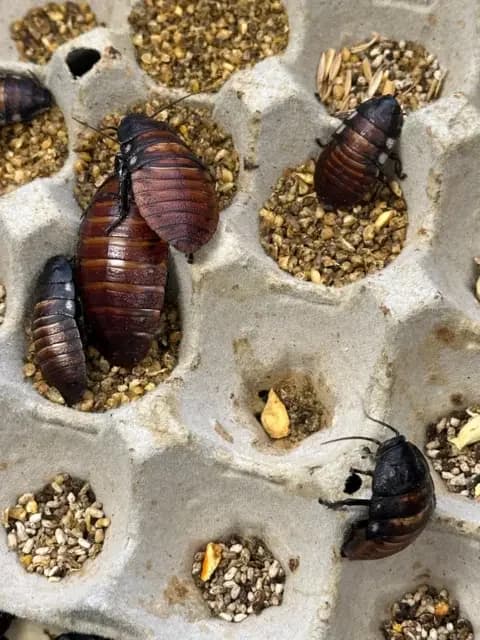
Beyond physical security, authorities in Australia and Canada are moving to mitigate biological and environmental threats. Australian wildlife enforcement recently completed the nation's largest-ever seizure of illegal invertebrates, confiscating over 100,000 exotic cockroaches from a breeder in New South Wales. Valued at approximately $200,000, species such as Madagascar hissing and dubia cockroaches were identified as significant risks to native agriculture and wildlife. Officials confirmed the insects would be destroyed to prevent potential ecological damage, warning the public against the growing trend of trading exotic species as reptile food online, which can lead to severe federal penalties.
Looking ahead to future international gatherings, the Canadian Food Inspection Agency (CFIA) has issued a stern advisory for travelers planning to attend the FIFA World Cup 2026. As Canada prepares to co-host the tournament with Mexico and the United States, strict prohibitions on meat, dairy, and fresh produce have been instituted to protect the country's biosecurity from external biological threats. Travelers are warned that non-compliance will lead to confiscations and significant border delays. Together, these developments in New York, Dublin, Bathurst, and Ottawa reflect a broader global effort to synchronize security and regulatory measures in the face of evolving public safety risks.

