••
National Governance Update: Parliamentary Scrutiny Hits NPRA Over Spending as Ghana Expands Diplomatic and Tax Frontiers
•3 min read•35 sources
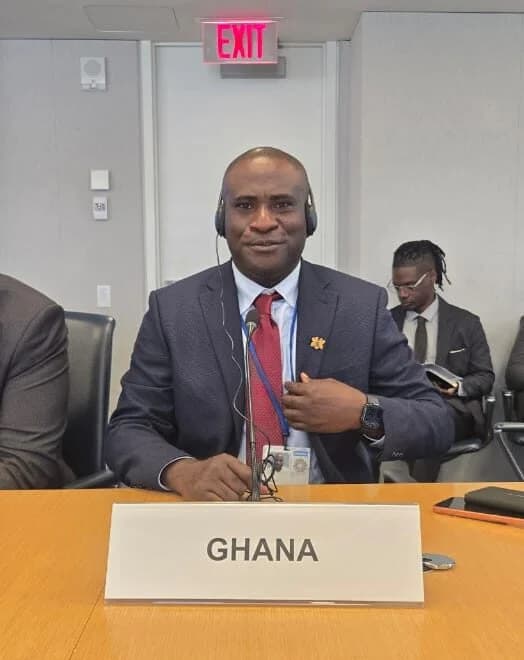
The Ghanaian political landscape is currently dominated by intense parliamentary oversight and a drive for fiscal accountability, led by the Minority in Parliament and Member of Parliament for Old Tafo, Vincent Ekow Assafuah. The National Pensions Regulatory Authority (NPRA) has come under severe fire for what critics describe as 'luxury expenditure' and financial mismanagement. Key allegations include the expenditure of GH¢15 million on seven Land Cruisers, nearly GH¢10 million for an overseas training program at Bentley University in the U.S., and GH¢1 million spent on staff transfers. Furthermore, the Minority is demanding the suspension of a GH¢700 million loan facility intended for the second phase of the NPRA headquarters, citing the fact that the first phase remains unoccupied and raising concerns over the prudent use of workers' pension funds.
In tandem with these accountability concerns, the government is facing significant pushback from the trade sector regarding the implementation of the 'Publican AI' system at the nation's ports. The Ghana Union of Traders Association (GUTA) and the Traders Advocacy Group Ghana (TAGG) have raised alarms over the system's impact on import valuations, arguing it violates World Trade Organization principles. Former MP Joseph Cudjoe has joined the call for transparency, warning that the secrecy surrounding the AI contract sets a dangerous precedent for governance. While the government has rejected a full suspension of the system, it has agreed to a committee review and a reversal of the previous appeals process to stave off industrial action, highlighting the delicate balance between technological modernization and business stability.
On the revenue front, the Ghana Revenue Authority (GRA) is intensifying its efforts to bolster national development through enhanced tax compliance. Commissioner-General Anthony Kwasi Sarpong recently lauded the KGL Group for a landmark GH¢153 million tax payment, holding it up as a model for indigenous corporate responsibility. As the April deadline for income tax returns approaches, the GRA has warned of strict penalties for non-compliance while promoting a new digital filing system designed to simplify the process. This push for domestic revenue mobilization is paired with a cautious approach to governance reform; Professor Kofi Quashigah recently advised against 'wholesale' constitutional changes, advocating instead for structured, incremental amendments and better safeguards for women's political representation.
Ghana is also aggressively expanding its international footprint and energy infrastructure. The Ministry of Foreign Affairs announced the establishment of a new diplomatic mission in Singapore to boost trade and technological cooperation in Asia. Vice President Prof. Jane Naana Opoku-Agyemang has directed Ghana's global missions to prioritize the African Continental Free Trade Area (AfCFTA) and create tangible opportunities for local businesses. Meanwhile, the Ministry of Energy and Green Transition, led by Dr. John Jinapor, is launching a new system to monitor power outages and response times, supported by a 'Transformer Replacement Upgrade Programme' to stabilize the national grid. These initiatives, alongside regional development projects funded by the District Assemblies Common Fund (DACF) in areas like Atwima Kwanwoma, reflect a multifaceted government strategy aimed at long-term economic resilience and equitable growth.
This story touches markets covered on Anansi Intelligence ↗.
Related topic
Ghana Customs Recruitment: Latest News & Updates →More from politics
Continue exploring similar stories


