••
Parliament Demands Urgent Emergency Care Law After 'No-Bed' Tragedies and MP's Personal Health Crisis
•3 min read•6 sources
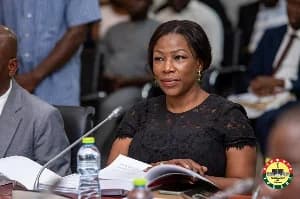
Ghana's Parliament is pushing for urgent legislative reform as the recurring "no-bed syndrome" continues to claim lives and expose systemic failures within the healthcare sector. Speaker of Parliament Alban Bagbin has called for the immediate enactment of an Emergency Care Law to prevent the unnecessary deaths of accident victims. This demand follows the tragic case of 29-year-old engineer Charles Ammissah, who died after being turned away from three major hospitals in Accra despite having a viable chance for survival. Bagbin criticized the current healthcare system for its disregard of existing policies meant to guarantee emergency treatment regardless of bed availability and has directed the Health Committee to launch a thorough investigation into the negligence surrounding the incident.
The gravity of the situation was further underscored by a startling personal account from Frank Afriyie, the Member of Parliament for Afadjato South. During a parliamentary session, Afriyie revealed that he was denied a hospital bed after collapsing at home, only receiving medical attention once his status as a legislator was disclosed by his wife. This revelation has intensified public outcry regarding discriminatory practices within the healthcare system, where social status can dictate the speed of care. Afriyie emphasized that the over-centralization of facilities in Accra overwhelms health professionals and exacerbates the infrastructure deficit in other regions, contributing to the persistent "no-bed" crisis.
In a parallel development demonstrating government oversight, the Minister for Gender, Children, and Social Protection, Agnes Naa Momo Lartey, recently supervised the safe discharge of an infant rescued after being stolen from Mamprobi Polyclinic. While this case showcased successful coordination between medical staff and law enforcement at Korle-Bu Teaching Hospital, it stands in contrast to the systemic failures seen in emergency services. The government’s decision to cover medical bills for the rescued child highlights the potential for effective social protection, yet the overriding focus of political leaders remains on the broader necessity of ensuring that such support is standardized and accessible to all citizens during health emergencies.
Ultimately, the proposed Emergency Care Law represents a critical shift toward holding health institutions and workers legally accountable for patient care. Speaker Bagbin and Minority Leader Alexander Afenyo-Markin have both urged that the healthcare crisis be treated as a non-partisan issue of human rights. By mandating treatment in emergency cases and removing administrative barriers, the law aims to ensure that no life is lost due to administrative convenience or a lack of beds. As the Health Committee begins its probe, the nation remains hopeful that these legislative changes will finally bridge the gap between policy and practice, creating a more responsive and accountable healthcare system for all Ghanaians.
This story touches markets covered on Anansi Intelligence ↗.
More from politics
Continue exploring similar stories


