••
Parliament Clashes Over 0.75% Wallet-to-Bank Fee as Bank of Ghana Suspends Policy Amid E-Levy "Back Door" Accusations
•2 min read•10 sources
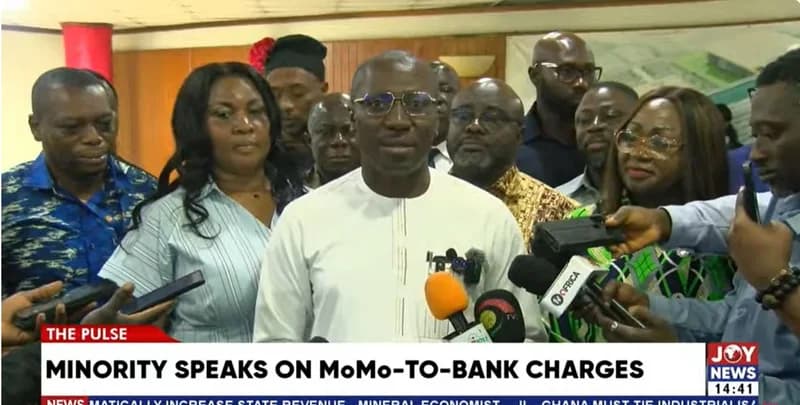
Ghana's Parliament has become the center of a fierce debate between the Minority and Majority leadership over a proposed 0.75% fee on wallet-to-bank transfers. The fee, which was scheduled to take effect on June 1, has been temporarily suspended by the Bank of Ghana following intense public backlash and accusations from the opposition. Minority Leader Alexander Afenyo-Markin has characterized the move as a clandestine attempt by the administration to reintroduce the controversial Electronic Transfer Levy (E-Levy) through indirect means, bypassing the necessary legislative oversight. During a series of press briefings and parliamentary sessions, Afenyo-Markin alleged that the government was circumventing the formal budget approval process by using the central bank and a private fintech company to enforce the new charge. He questioned the transparency of the policy, noting that such significant fiscal measures should be scrutinized by Parliament rather than introduced through administrative directives. The Minority Caucus further criticized the government for policy inconsistency, arguing that the administration has failed to deliver on campaign promises while burdening citizens with indirect taxes and rising utility tariffs. The tension culminated in a heated exchange on the floor of the House where Majority Leader Mahama Ayariga condemned Afenyo-Markin’s remarks, describing them as lawless. The confrontation became so disruptive that the First Deputy Speaker was forced to intervene, ordering that portions of the heated discourse be expunged from the official parliamentary records to maintain decorum. Despite the current suspension of the fee, the Minority remains skeptical of the government's claim that the pause is for "further stakeholder consultations," suggesting that the move is merely a reaction to political pressure rather than a genuine change in policy direction. The Bank of Ghana has defended its role, stating that the suspension is intended to ensure fairness and protect consumer interests within the digital financial services ecosystem. However, the Minority has demanded that the Finance Minister appear before Parliament to provide a comprehensive briefing on the rationale behind the fee and the legal framework for its implementation. As digital payments and financial inclusion remain critical to Ghana's economic strategy, the outcome of these consultations will serve as a significant test for the government’s fiscal transparency and its relationship with the legislative branch.
This story touches markets covered on Anansi Intelligence ↗.
More from politics
Continue exploring similar stories


