••
Fame Without Fortune: Papa Ajasco Actor Abiodun Ayoyinka Reveals Legal Traps and Poverty Struggles
•3 min read•7 sources
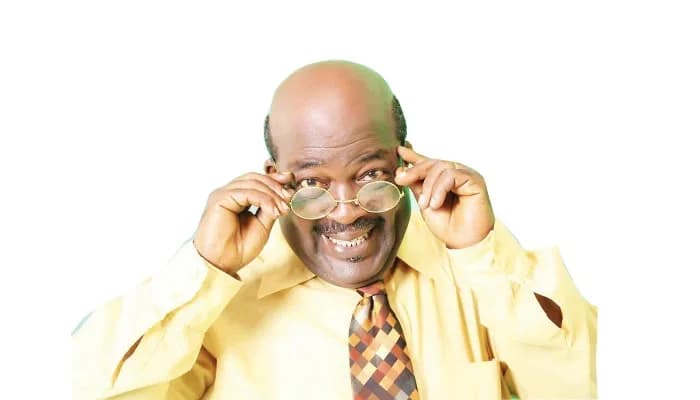
Abiodun Ayoyinka, the veteran Nigerian actor who brought the iconic character "Papa Ajasco" to life for decades, has come forward with a heart-wrenching account of his current living conditions. Despite his immense popularity and the cultural impact of his role in the Wale Adenuga Productions series, Ayoyinka revealed in a recent interview with media personality Lucky Udu that he is currently grappling with financial instability and the restrictive legalities of intellectual property. His story serves as a stark reminder of the disconnect between public fame and personal prosperity within the entertainment industry.
The core of Ayoyinka’s struggle lies in the legal ownership of the "Papa Ajasco" persona. While he is the face most associated with the character, the trademark and all associated rights belong to the producer, Wale Adenuga. This legal arrangement has created a professional trap for the actor; while many brands and companies wish to hire him for endorsements, they specifically request him to appear as Papa Ajasco. Because he is legally barred from using the name, costume, or character traits without express permission from the rights holder, he is frequently forced to turn down lucrative opportunities. Ayoyinka lamented that this strong public association has overshadowed his true identity, making it nearly impossible for him to secure diverse roles or projects as himself.
Beyond the professional hurdles, Ayoyinka shared a deeply personal look into his life since retiring five years ago from the Lagos State Ministry of Tourism, Arts, and Culture. He admitted to living in poverty, disclosing that despite his years of service and legendary status in the Nigerian film industry, he does not own a house or a vehicle. The veteran actor broke down as he described the difficulty of navigating life without the financial cushion many fans assume he possesses. He emphasized that the fame he garnered has not translated into the stability required for a comfortable retirement, leaving him in a state of bitterness and distress.
Ayoyinka’s revelation has reignited a critical conversation about the welfare of veteran actors and the fairness of contract laws in Nigeria's entertainment sector. His plight highlights the vulnerability of performers who do not own the rights to their most famous roles, often leaving them without residuals or the ability to monetize their legacy. As fans and industry stakeholders react to his story, there is a growing call for better intellectual property education and stronger support systems for those who have dedicated their lives to the arts. Ayoyinka’s experience underscores a pressing need for structural change to ensure that the stars who entertain millions do not end their careers in obscurity and financial ruin.
This story touches markets covered on Anansi Intelligence ↗.
More from entertainment
Continue exploring similar stories


