••
Ghana’s Oti River Fishermen Turn to GMet Weather Forecasts as Critical Lifeline Against Deadly Storms
•2 min read•3 sources
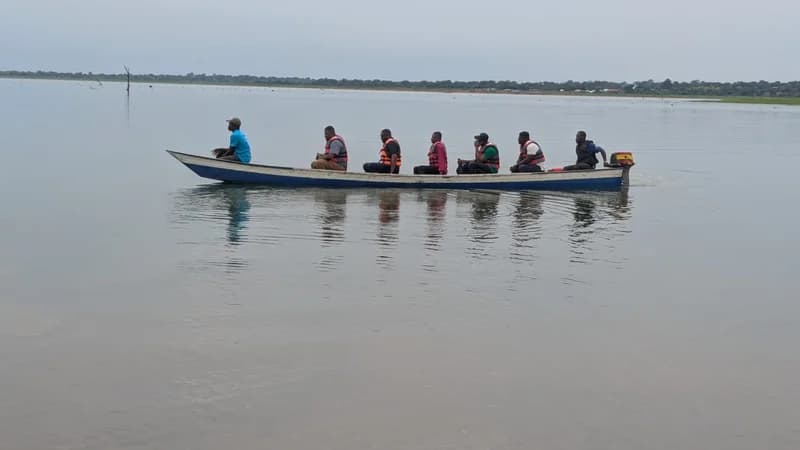
In the bustling river community of Dambai, the Oti River serves as both a source of livelihood and a site of frequent peril. For decades, local fishermen and travelers relied solely on traditional experience and ancestral knowledge to navigate the unpredictable waters. However, a significant shift is occurring as the community increasingly adopts daily weather forecasts from the Ghana Meteorological Agency (GMet). This transition from intuition-based navigation to scientific preparedness is proving to be a literal lifesaver, providing a necessary defense against the sudden, violent storms that frequently sweep across the river without warning.
Fishermen like Adjetey Mawuwue and Kofi Yamba have shared harrowing accounts of near-misses that illustrate the river's volatility. Before the widespread availability of GMet updates, many river users found themselves trapped in the middle of the Oti when clear skies unexpectedly turned into life-threatening gales. By integrating radio-broadcasted forecasts into their daily routines, these men can now make informed decisions about whether to cast their nets or stay ashore. These updates have fostered a new culture of safety, as local workers use the information to anticipate weather shifts that once resulted in tragic capsizing incidents and loss of life.
The impact of improved forecasting extends beyond the fishing industry to influence the broader local economy, including daily trade and travel. Since the Oti River is a primary artery for the transportation of goods and people, timely weather alerts allow boat operators to schedule trips more safely, ensuring that market days are not marred by disaster. GMet’s multi-channel approach—utilizing radio broadcasts and community-level alerts—ensures that even those in remote areas have access to the information they need to protect their assets and their lives.
Despite these advancements, the community remains aware that tragic accidents can still occur, underscoring the ongoing need for reliable and localized weather data. Ghana has ramped up investments in meteorological infrastructure to improve the accuracy and reach of these forecasts, recognizing that for river-dependent populations, information is as essential as any physical equipment. As these forecasting systems continue to evolve, they remain the most critical tool for survival along the Oti, transforming a once-unpredictable environment into a more manageable and secure landscape for the people of Dambai.