••
Rev. Dr. Opuni-Frimpong and UNICEF Highlight Dual Crisis of Poverty and Curriculum Reform for Ghanaian Children
•2 min read•2 sources
Ghana faces a critical juncture in child development as new reports highlight a stark contrast between the physical needs of the youngest citizens and the moral framework of their education. According to a recent UNICEF report released during the commemoration of the Day of the African Child, approximately 80% of Ghanaian children under the age of five are living in poverty. These children face significant deprivations in essential services, including nutrition, healthcare, and education, primarily due to insufficient public investment. The analysis further reveals that nearly three-quarters of children experience multiple forms of deprivation simultaneously, underscoring an urgent need for a national commitment to prioritize child-focused investments in water, sanitation, and hygiene.
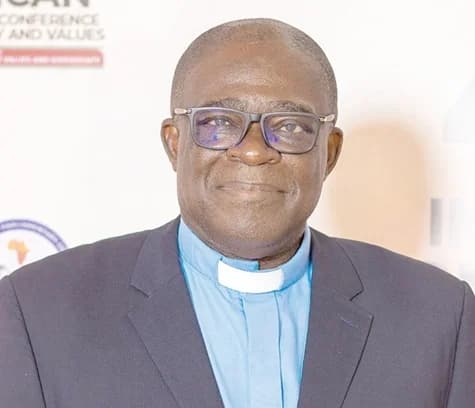
Parallel to these socio-economic challenges, educational experts are calling for a fundamental shift in the national curriculum to better ground students in African values. Rev. Dr. Kwabena Opuni-Frimpong, a Senior Lecturer at the Kwame Nkrumah University of Science and Technology (KNUST), has advocated for the integration of indigenous knowledge systems and character education into the school system. Speaking at the Fourth African Inter-Parliamentary Conference on Family Values, he emphasized that the current educational model often prioritizes career preparation at the expense of moral development and ethics. He expressed concern that the rapid adoption of modern technology, while beneficial, must not be allowed to erode the cultural identity and traditional values that define the Ghanaian social fabric.
The synthesis of these perspectives suggests that addressing the physical poverty highlighted by UNICEF must go hand-in-hand with addressing the moral development of the next generation. While the Ministry of Gender, Children and Social Protection continues to work toward universal access to basic services, Dr. Opuni-Frimpong argues that educational policies must be intentionally redesigned to include indigenous wisdom. This holistic approach aims to ensure that children not only survive their early years through better healthcare and nutrition but also thrive as ethically grounded citizens. For Ghana to achieve sustainable development, national planning must bridge the gap between providing for children's physical welfare and fostering their cultural growth within the classroom.
This story touches markets covered on Anansi Intelligence ↗.
More from education
Continue exploring similar stories


