••
Vice-President Naana Jane Opoku-Agyemang Unveils Shea Innovation as Government Pushes for 50% Domestic Cocoa Processing
•3 min read•4 sources
Ghana's agricultural and industrial sectors are undergoing a significant shift toward value addition, led by new government initiatives and fiscal reforms. Vice-President Professor Naana Jane Opoku-Agyemang recently launched the John Mahama Shea Demonstration Farm in Futa, near Tamale, highlighting a breakthrough in shea research. Developed by the Cocoa Research Institute of Ghana (CRIG), a new hybrid shea variety has been introduced with a gestation period of just three years—a drastic reduction from the 20 to 30 years required for wild shea trees. This innovation, showcased during the World Shea Expo which generated approximately $10 million in business opportunities, aims to transition shea production into a plantation-based system to empower local women and increase national output to 400,000 metric tonnes.
Parallel to these developments in the shea sector, the government is currently locked in high-stakes negotiations with private cocoa processing mills. The objective is to establish a robust framework that would see Ghana process 50% of its cocoa beans domestically by the 2026/2027 crop season. These discussions are focused on critical economic factors, including the pricing of beans for local processors, operational cost structures, and ensuring the necessary liquidity to sustain high-volume domestic refining. This move signals a strategic pivot away from the exportation of raw materials toward capturing more value within the global chocolate and cocoa supply chain.
Supporting this industrial drive, the government has introduced fiscal relief for the manufacturing sector. The Food and Beverages Association of Ghana (FABAG) has formally welcomed the abolition of the 20% excise duty on locally manufactured fruit juices, a change implemented under the new Excise Duty Act effective October 1, 2026. FABAG asserts that this tax reform will significantly enhance the competitiveness of local producers, stimulate new investment, and create jobs. The association has committed to collaborating with authorities to ensure the policy's effective implementation, while continuing to advocate for further measures to bolster the broader food and beverage industry.
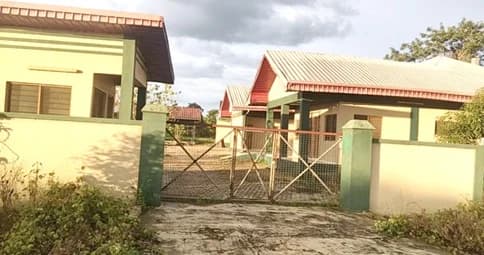
However, the transition to industrialization faces practical hurdles at the local level, as seen in the Kpandai District. In the community of Balai, gari processors like Clara Kinyinkyde are struggling with a glut of unsold stock and plummeting prices. While a cassava processing factory was established under the One District, One Factory (1D1F) initiative, it remains non-operational due to inadequate power supply and technical delays. The District Chief Executive has acknowledged these challenges and is working toward operationalizing the facility. Resolving such infrastructure bottlenecks remains essential if the government's broader vision of nationwide value addition and economic relief for rural processors is to be fully realized.
Related topic
John Mahama: Latest News & Updates →

