••
OpenAI and Anthropic Signal IPO Ambitions Amid Global Market Volatility and Regulatory Shifts
•2 min read•7 sources
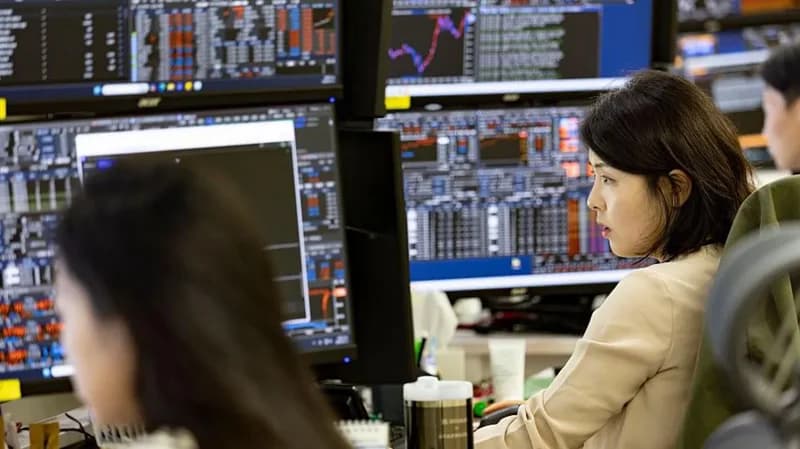
OpenAI and its primary rival, Anthropic, have both moved to intensify the race for artificial intelligence dominance by confidentially filing for initial public offerings (IPOs) with the US Securities and Exchange Commission. OpenAI, which is currently valued between $852 billion and $1 trillion, indicated that while it has filed the necessary paperwork, it may remain private for a period to achieve specific internal milestones. This strategic shift follows OpenAI’s transition from a nonprofit foundation to a structure that includes a for-profit arm, potentially evolving into a public benefit corporation to facilitate larger capital raises. The move is largely driven by the staggering operational costs of AI development, particularly the immense compute power required to sustain tools like ChatGPT, which currently generates roughly $2 billion in monthly revenue. Anthropic, valued at approximately $965 billion, is similarly seeking public capital to fund its expansion in this rapidly evolving sector. These IPO plans emerge against a backdrop of significant global market instability and shifting investor sentiment. US stock markets recently saw a fragile recovery following sharp declines in Asia, where South Korea’s Kospi index plunged 8.3% and Japan’s Nikkei fell 3.9%. Investors are increasingly cautious regarding the high valuations of tech firms, questioning whether the massive demand for AI will translate into sustained profitability. This skepticism is compounded by geopolitical tensions in the Middle East and fluctuating oil prices, which have fueled fears of persistent inflation. Market analysts note that traders are currently navigating a delicate balance between the promise of revolutionary technology and the practical pressures of rising energy costs and political uncertainty. On the regulatory and consumer front, the landscape remains complex as European authorities refine their oversight of major tech players. Italy’s competition authority, AGCM, recently dropped its investigation into Meta Platforms regarding the integration of AI tools into WhatsApp, deferring instead to a broader European Commission probe. Meanwhile, economic sentiment in Europe’s largest economy remains grim; a Boston Consulting Group study reveals that 64% of Germans view their economy as poor, with 75% identifying high energy prices as a major burden. This pervasive economic pessimism, characterized by a preference for saving over spending, underscores the challenging macroeconomic environment that even the most innovative AI firms must contend with as they transition to public markets.
This story touches markets covered on Anansi Intelligence ↗.
More from business
Continue exploring similar stories


