••
Legacy, Legalities, and Evolution: African Music Stars Navigate the Modern Entertainment Landscape
•3 min read•15 sources
The West African entertainment scene is currently defined by a blend of milestone celebrations, reflections on artistic legacy, and the evolving challenges of the modern music business. As legendary icon Okyeame Kwame celebrates his 50th birthday with a philanthropic mission and a new musical release, other major figures like Davido and Femi Kuti are making strategic decisions to safeguard their family’s future and artistic heritage. These developments highlight a growing consciousness among African creatives about the long-term impact of their careers and the importance of structural support within the industry. Kwame’s celebration was marked by the release of his reggae song ‘Clap’ and a GH‒100,000 promotional pledge from entrepreneur Richard Nii Armah Quaye, which will support the rapper's goal of building a paediatric ward at Manhyia Hospital.
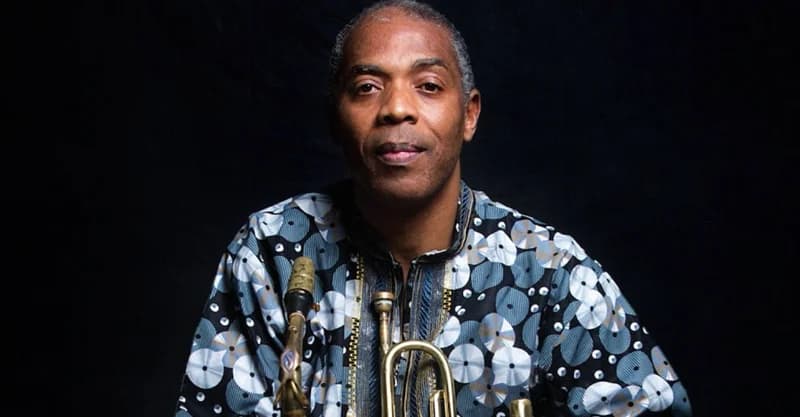
In Nigeria, two prominent music families have shared contrasting views on managing fame and assets. Femi Kuti recently revealed that his family, influenced significantly by his sister Yeni Kuti, decided against selling his late father Fela Anikulapo-Kuti’s music catalogue. By choosing to license the music rather than sell it, the family retains control and ensures royalties for future generations, preserving the Afrobeat pioneer's legacy. Simultaneously, Afrobeat superstar Davido expressed a desire for his children to work in his father’s established business empire rather than face the hardships of the entertainment industry. While Davido noted he would support his children should they choose music, he highlighted the stability offered by his father Deji Adeleke’s companies as a preferred path to avoid the struggles he personally encountered.
The technical and promotional side of the industry remains a point of contention for both veterans and rising stars. Mavin Records head Don Jazzy expressed frustration with Gen Z artists like Ayra Starr, noting that their focus on social media aesthetics often hinders effective music promotion. Meanwhile, Ghanaian rapper Yaw Tog reflected on his previous deal with EMPIRE, acknowledging that while the label’s infrastructure was vital for his growth, his lack of legal representation at the time was a significant oversight he intends to correct in future dealings. Dr Cryme also weighed in on the structural challenges in Ghana, lamenting that his ‘Twi Pop’ genre lacks local support because audiences often prioritize foreign trends over homegrown innovations, emphasizing that local branding is essential for global recognition.
The week also saw legal and competitive developments, with gospel musician Francis Amo being granted bail following a copyright dispute involving a song associated with the Church of Pentecost and Elder Moses. On the competitive front, the spirit of lyrical mastery continues to thrive; Kojo Cue expressed a willingness to engage in rap battles while maintaining strict respect for pioneers like Reggie Rockstone, while Joy Prime’s ‘Beatz & Barz’ showcased the next generation of talent in a fierce battle between Semenhyia and Korley Black that ended in a spirited tie. Together, these stories reflect an industry that is simultaneously honoring its past, grappling with the legalities of the present, and training its eye on a more structured future.
This story touches markets covered on Anansi Intelligence ↗.
More from entertainment
Continue exploring similar stories


