••
National Youth Authority and MFWA Champion Skill Acquisition and Specialized Training for Ghanaian Youth and Professionals
•3 min read•3 sources
In a concerted effort to address unemployment and enhance regional expertise, educational leaders and development organizations in Ghana are calling for a significant shift toward skill-based learning. Mathias Kofi Blay, the Greater Accra Regional Director of the National Youth Authority (NYA), has lead these calls by urging young Ghanaians to complement their academic degrees with practical vocational training. This advocacy aligns with broader initiatives, such as the Media Foundation for West Africa's (MFWA) new specialized training for journalists, highlighting a growing consensus that traditional classroom education must be paired with technical and subject-matter expertise to remain competitive in the modern job market.
Speaking at a workshop for the Okaikwe South District Youth Committee, Mr. Blay emphasized that vocational and technical skills offer a faster route to sustainable livelihoods than degrees alone. He pointed to high-demand fields such as excavator operation and surveying as examples of practical skills that provide immediate employment opportunities. The NYA Director advocated for an expansion of technical programs within tertiary institutions, encouraging the youth to be proactive in acquiring relevant certifications that contribute to both personal success and national development goals.
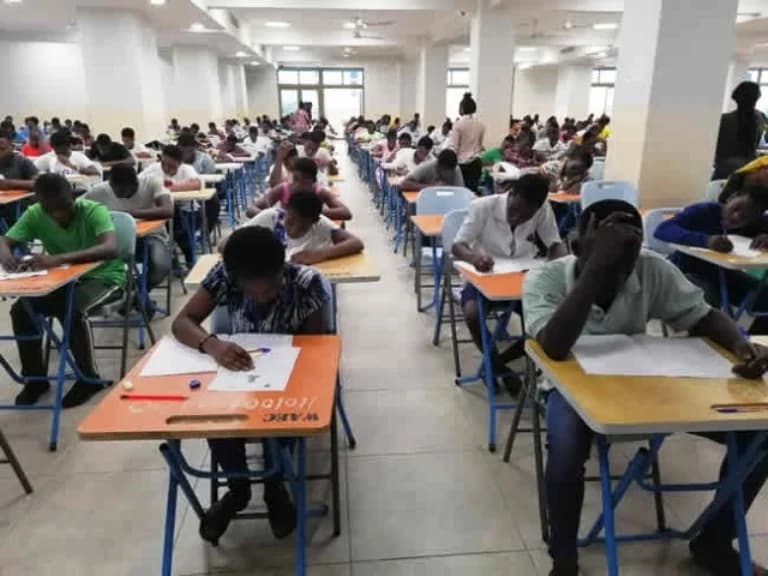
This push for proactive learning is particularly relevant for the 2026 cohort of West African Senior School Certificate Examination (WASSCE) graduates. Experts advise that the transition period between completing exams and receiving university admissions should not be spent in idleness. Instead, graduates are encouraged to engage in self-discovery and skill acquisition, utilizing tools like the Holland Code to identify personal strengths. Productive activities recommended for this period include taking online courses, participating in apprenticeships, and researching scholarship requirements to avoid future academic hurdles.
Simultaneously, the Media Foundation for West Africa, in partnership with the Wits Centre for Journalism, is extending these capacity-building efforts to the professional level. Applications are currently open for a specialized training workshop focused on Africa-China relations, scheduled to take place in Accra during the final quarter of 2026. The program is designed for journalists across Anglophone West Africa, including Ghana, Nigeria, Sierra Leone, Liberia, and The Gambia. It aims to deepen the media's understanding of the complex political and economic ties between the continent and China, providing participants with both the knowledge and practical skills required for high-level reporting.
Ultimately, these diverse educational and training opportunities reflect a strategic shift toward a more versatile workforce in West Africa. Whether through vocational training for graduates or specialized workshops for working professionals, the emphasis remains on the development of character and practical ability. As the July 30, 2026, deadline for the MFWA application approaches and new graduates enter the workforce, the focus on continuous learning and skill diversification is expected to play a crucial role in the region's long-term economic and professional stability.
This story touches markets covered on Anansi Intelligence ↗.
More from education
Continue exploring similar stories


