••
Strengthening Ghana’s Political Fabric: From NPP Reconciliation to Grassroots Conflict Resolution
•3 min read•9 sources
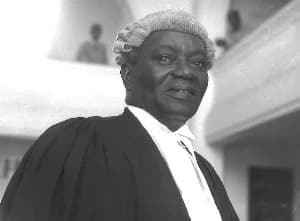
Ghana’s political and social landscape is currently defined by a dual focus on internal party consolidation and the urgent need for community-level peace-building. In the Central Region, former Attorney-General Joe Ghartey has spearheaded a significant reconciliation drive within the New Patriotic Party (NPP). Speaking at a forum in Cape Coast, Ghartey urged party members to embrace 'forgiveness as freedom' to ensure a united front behind Dr. Mahamudu Bawumia for the 2028 electoral cycle. This call for unity, rooted in both strategic necessity and biblical principles of humility, aims to energize the party’s grassroots and resolve personal grievances that could otherwise undermine the NPP's future electoral prospects.
While national parties look toward future elections, security forces and peace mediators are actively managing immediate localized tensions. In the Oti Region, the National Peace Council successfully convened a dialogue between the Adele, Akyode, and Challa factions in Nkwanta South to address long-standing land and chieftaincy disputes. Most Reverend Emmanuel Kofi Fianu emphasized the necessity of trust and non-violent resolution, leading to a landmark agreement to cease armed violence and establish a monitoring committee. Simultaneously, in the Central North region, the police command led by DCOP Abraham Acquaye intervened to prevent a violent clash among youth from Assin Larteh, Nyameyedru, Praho, and Tetre-Nkwanta. The unrest was sparked by the devastating environmental impact of illegal mining on the Pra River, highlighting the growing political pressure on authorities to protect rural livelihoods from ecological destruction.
These modern challenges of governance and identity are mirrored by historical reflections on the nation’s founding. Recent historical insights shared by Barima Piesie Okyere-Darko revealed that founding father J.B. Danquah initially proposed 'Voltaria'—inspired by the River Volta—as the name for the Gold Coast before suggesting 'Ghana.' This historical context serves as a reminder of the evolving nature of Ghanaian identity. Meanwhile, in Sunyani West, the 'Concerned Citizens of Chiraa' have raised a modern administrative challenge, protesting the conversion of a local library into a fire station. While acknowledging the need for fire services, the group argued that educational resources must not be sacrificed for infrastructure, calling for a more consultative approach to municipal development.
Ultimately, these developments across Ghana underscore a critical transition period where historical legacy, party discipline, and community safety intersect. Whether through the high-level political maneuvering of the NPP in Cape Coast, the delicate peace negotiations in Nkwanta South, or the grassroots environmental activism in Assin North, the common thread remains a collective demand for stable, transparent, and inclusive governance. As the country moves closer to major political milestones, the ability of leaders to balance infrastructure needs with educational preservation and environmental protection will likely dictate the national narrative.
This story touches markets covered on Anansi Intelligence ↗.
Related topic
NPP (New Patriotic Party): Latest News →Live rates
Ghana gold price →More from politics
Continue exploring similar stories


