••
NPP Demands Public Inquiry into AKSA Energy Bribery Scandal Following US Conviction of Asante Berko
•3 min read•19 sources
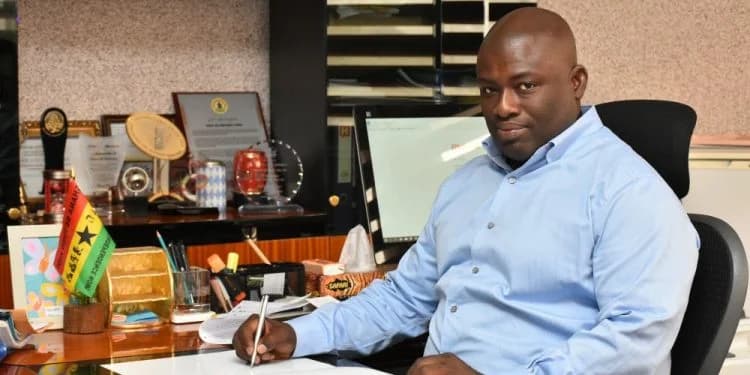
The New Patriotic Party (NPP) has intensified calls for a comprehensive public inquiry into the AKSA Energy bribery scandal following the conviction of former investment banker Asante Kwaku Berko in the United States. Nana Agyei Baffour Awuah, the Member of Parliament for Manhyia South, is leading the demand for transparency, arguing that a public probe is essential to identify and shame those who facilitated corrupt payments to Ghanaian officials between 2014 and 2017. The case, which involves over $1 million in alleged bribes to secure a power plant deal, has reignited political tensions over domestic corruption detection and the integrity of Ghana’s legal institutions.
Central to the NPP’s demand is a request for a thorough investigation into the alleged involvement of a relative of President John Mahama. Baffour Awuah has urged investigators to clarify this individual’s identity, their relationship with the President, and any financial gains or influence they may have wielded during the project’s approval process. The People’s Alliance for Governance and Accountability (PAGA) has joined the call for accountability, specifically petitioning Parliament to probe 18 members of the Mines and Energy Committee who were involved in the 2015 ratification of the AKSA agreement. Evidence from U.S. court documents suggests that corrupt payments were intended for officials within the Ministry of Power and members of the legislature to ensure favorable assessments of the deal.
The investigation has become a flashpoint for partisan debate regarding the credibility of Attorney General Dr. Dominic Ayine. The NPP has expressed a lack of confidence in the Attorney General’s ability to conduct an independent probe, with Baffour Awuah alleging the establishment of a "separate justice system" that favors members of the National Democratic Congress (NDC) by discontinuing sensitive prosecutions. In response, NDC Communications team member Theophilus Dzimega dismissed these claims as baseless, defending Dr. Ayine’s record of cooperation with U.S. authorities and highlighting President Mahama’s commitment to anti-corruption reforms, including a strict code of conduct for government appointees.
Beyond the AKSA scandal, other allegations of administrative misconduct have surfaced, further fueling the national conversation on transparency. Ghana’s High Commissioner to the UK, Sabah Zita Benson, recently detailed a scholarship scandal where she alleged that government-sponsored recipients incorrectly used taxpayer funds to cover airfare and stipends for their entire families. Simultaneously, investigative journalist Manasseh Azure Awuni has raised questions regarding a private "welfare account" managed by the Ghana Embassy in Washington, DC. These concurrent issues underscore the growing pressure on the current administration to strengthen local anti-corruption frameworks and ensure that state institutions can detect and prosecute financial crimes without relying solely on international agencies.
This story touches markets covered on Anansi Intelligence ↗.
Related topic
NDC (National Democratic Congress): Latest News →More from politics
Continue exploring similar stories


