••
Chief Justice Baffoe-Bonnie and National Peace Council Lead Renewed Push for Institutional Integrity and Public Trust
•3 min read•9 sources
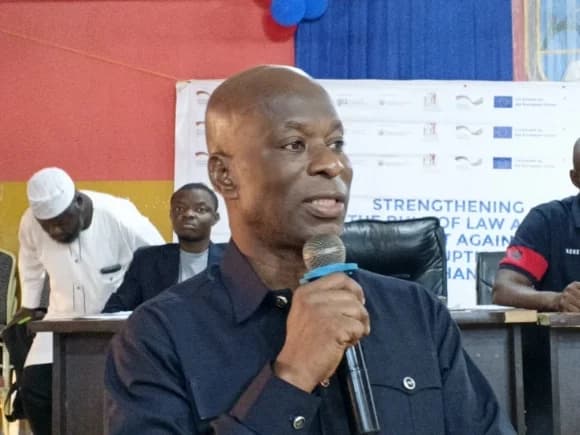
In a series of coordinated efforts to bolster Ghana’s democratic resilience, Chief Justice Paul Baffoe-Bonnie and the National Peace Council (NPC) have issued strong calls for institutional reform and ethical leadership. Speaking at the Senior Staff Association of the Judicial Service of Ghana’s congress in Fiapre, Chief Justice Baffoe-Bonnie warned that poor court administration, delays, and staff misconduct are directly eroding public confidence in the judiciary. He emphasized that the public evaluates the entire justice system based on their interactions with administrative staff, urging for a more professional approach to facilitate justice delivery. Simultaneously, the NPC convened an inter-party dialogue in Accra to foster trust among political parties and promote responsible communication, reinforcing that Ghana’s peace depends on the collective commitment of political actors to manage differences constructively.
While leadership focuses on institutional trust, the Minority in Parliament has raised sharp concerns regarding the government’s management of athlete welfare. Vincent Ekow Assafuah, Ranking Member of the Committee on Youth and Sports, demanded an independent investigation into reports of systemic neglect during the 2026 Commonwealth Games in Glasgow. The MP highlighted disturbing claims, including late airline ticket deliveries without luggage allowances, delayed provision of competition kits, and unclear per diem payments for athletes and the Black Queens. This call for transparency is echoed in the social sector by the Mental Health Society of Ghana (MEHSOG), which is demanding that government agencies and district assemblies publish the names of disability fund beneficiaries to prevent the misappropriation of funds and ensure that support reaches those truly in need.
Addressing the foundational role of ethical leadership, the National Commission for Civic Education (NCCE) has intensified its engagement with youth leaders in the Northern Region. Alhaji Aliyu Mohammed, the NCCE Northern Regional Director, urged young people to reject corruption and embrace accountability, noting that the country’s future depends on a departure from the unfulfilled promises of the past. These efforts are being complemented by the launch of the Civil Society Coalition Against Transnational Crime, which aims to combat human trafficking and cybercrime through community-led prevention. Additionally, the Northern Regional Minister, Ali Adolf John, has called for a shift toward more professional and sustainable water-service delivery to ensure that vulnerable rural populations have reliable access to safe drinking water.
Together, these developments highlight a broader national movement toward strengthening accountability and governance under the administration of President John Mahama. From the judiciary to sports administration and rural infrastructure, the recurring theme remains the urgent need for transparency and ethical conduct to restore public trust in state institutions. As civil society and government agencies implement these recommendations, the focus shifts to whether these structural reforms will result in tangible improvements in service delivery and social cohesion, or if they will face further challenges from systemic inefficiencies and economic pressures.
This story touches markets covered on Anansi Intelligence ↗.
Related topic
John Mahama: Latest News & Updates →More from politics
Continue exploring similar stories


