••
NPP Accuses Government of Eroding Democratic Gains Amid Internal Shifting and Rising Grassroots Discontent
•3 min read•21 sources
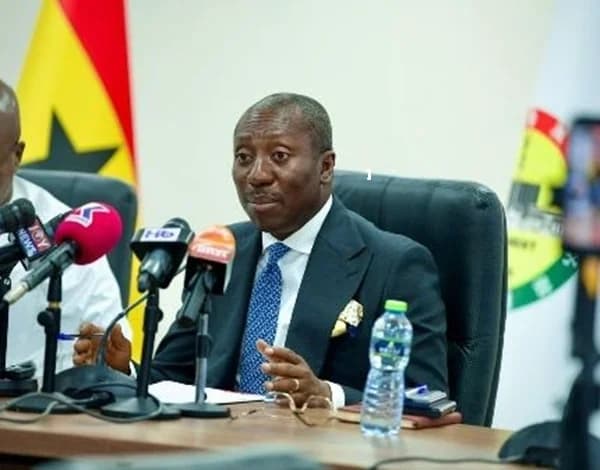
The New Patriotic Party (NPP) has launched a robust critique of President John Dramani Mahama’s administration, alleging a systematic reversal of the democratic progress achieved following the repeal of Ghana’s criminal libel law. Haruna Mohammed, the NPP’s Deputy General Secretary, expressed grave concerns over rising political intimidation and state-sponsored arrests during an interview following the 'Yensuro Ahunahuna' (We Are Not Intimidated) demonstration in Sunyani. Hundreds of party supporters gathered to protest the arrest of Sunyani East Communications Officer Abubakar Yakubu, arguing that such actions by state agencies overstep constitutional mandates and threaten the core of free expression in the country.
Amidst these external tensions, the NPP is also managing significant internal dynamics and leadership transitions. Akim Swedru MP Kennedy Osei Nyarko has dismissed rumors of a party collapse following recent defections, asserting the party’s historical resilience. This comes as the race for future leadership intensifies, with Eugene Boakye Antwi formally declaring his candidacy for the General Secretary position to strengthen the party ahead of the 2028 elections. Additionally, the party has moved to protect its administrative integrity by debunking misinformation regarding dues collection; the National Treasurer’s office clarified that the official shortcode for member contributions is 920270#, refuting claims of a fraudulent alternative.
On the opposition front, National Democratic Congress (NDC) Chairman Johnson Asiedu Nketia has ended a six-month media hiatus to advocate for media pluralism. Speaking at the launch of Lambussie FM, Nketia emphasized the vital role of local media in allowing communities to narrate their own stories and shape public discourse. Meanwhile, the broader political landscape is seeing movement from third-party entities, with Alan Kyerematen’s 'Movement for Change' unsuccessfully attempting to recruit highlife icon Okyeame Kwame as a running mate. The artist declined the offer, citing a desire to remain separate from the controversies of partisan politics despite acknowledging his suitability for the role.
Further complicating the political climate is a wave of socio-economic grievances from market traders in the Ashanti and Central regions. In Kumasi, market 'Queen Mothers' have voiced disappointment over the stalled Kejetia-Central Market Phase 2 project, contrasting the current administration's delays with the swifter progress of earlier developments. Similarly, traders in Cape Coast have protested the relocation of a proposed 24-hour economy market project, calling for a more equitable distribution of infrastructure. As political parties prepare for upcoming electoral cycles, these local developmental issues, combined with the debate over democratic freedoms and the controversial anti-LGBT bill, continue to dominate the national conversation.
This story touches markets covered on Anansi Intelligence ↗.
Related topic
NDC (National Democratic Congress): Latest News →More from politics
Continue exploring similar stories


