••
Global Political Waves: Epstein Fallout in Europe and Cultural-Political Clashes in the United States
•3 min read•9 sources
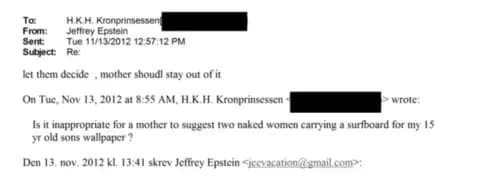
The intersection of politics, accountability, and cultural identity has taken center stage across several global fronts as public figures and institutions grapple with controversy. In Europe, the long-standing shadow of the Jeffrey Epstein scandal has reached the highest echelons of government and royalty. Norwegian Prime Minister Jonas Gahr Støre recently expressed support for Crown Princess Mette-Marit after she admitted to "poor judgment" regarding her past contacts with the late sex offender. This admission coincides with a period of intense scrutiny for the Norwegian royal family, as the princess’s son, Marius Borg Høiby, faces an upcoming trial on serious charges, including rape. Similarly, in the United Kingdom, Lord Mandelson has resigned from the Labour Party to avoid further embarrassment following revelations from U.S. Department of Justice files indicating financial links to Epstein, including payments totaling $75,000 in the early 2000s.
Across the Atlantic, the United States is witnessing a significant clash between the executive branch and cultural institutions. President Donald Trump announced that the historic Kennedy Center in Washington, D.C., will close for two years starting in July 2023 for an extensive $250 million renovation aimed at enhancing the facility for the nation's 250th anniversary. The project has sparked widespread controversy, primarily due to the facility being renamed the "Trump Kennedy Center." Members of the Kennedy family, including Joe Kennedy III, have criticized the move, arguing that the center is a federally established memorial to President John F. Kennedy and that such a name change may require Congressional approval. The renaming has already led to several artist cancellations, marking a deepening divide between the administration’s infrastructure goals and the cultural legacy of the institution.
This political tension within the arts was further amplified at the Grammy Awards, where global superstar Bad Bunny utilized his platform to launch a scathing critique of the Trump administration’s immigration policies. Upon winning the award for best música urbana album, the artist delivered a passionate speech declaring "ICE out" and asserting the fundamental humanity of immigrants. He stated, "We're not savages, we're not animals... we are humans and we are Americans," a sentiment that prompted a standing ovation and was echoed by other prominent artists like Billie Eilish, Olivia Dean, and Kehlani. The ceremony, which also saw Kendrick Lamar break a record for Grammy wins, highlighted the growing trend of artists using high-profile celebrations to advocate for social and political change.
As these events unfold, they suggest a broader trend of political and social reckoning across the globe. Whether it is the fallout from past associations in Europe or the active resistance to policy and symbolic changes in the United States, the current political climate is characterized by a push for institutional integrity and vocal opposition to executive overreach. Moving forward, the legal challenges regarding the Kennedy Center’s naming and the judicial outcomes in Norway will likely serve as pivotal moments in defining the boundaries of political influence and the responsibilities of public figures. For now, the fusion of music, royalty, and governance continues to provide a complex and volatile backdrop for global political discourse.
This story touches markets covered on Anansi Intelligence ↗.
More from politics
Continue exploring similar stories


