••
Over 500 Northern Region Entrepreneurs Empowered as Stakeholders Call for Robust Agricultural Distribution Systems
•2 min read•3 sources
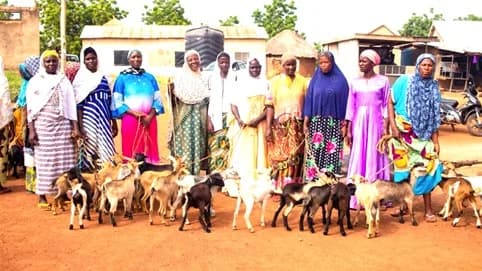
In a significant move to bolster local economies, 521 entrepreneurs across Ghana's Northern Region have received essential tools and equipment to scale their businesses and improve their livelihoods. The initiative, spearheaded by Mentors International Ghana and Boressa Investment Limited with funding from The Church of Jesus Christ of Latter-day Saints, aims to foster business sustainability and create jobs in various rural communities. Beneficiaries were provided with diverse resources, including goats for livestock farming and weaving and sewing machines for textile production, marking a targeted effort to enhance the socio-economic conditions of participants and their families.
Beyond the provision of physical assets, the project emphasizes long-term success through structured mentorship and capacity building. Entrepreneurs are receiving specialized training in livestock management, financial literacy, and core business skills to ensure the effective utilization of their new resources. This comprehensive approach is designed to transform small-scale activities into viable commercial enterprises. Beneficiaries expressed deep gratitude for the support, committing to professional management of the items to ensure they serve as a foundation for community-wide economic improvement.
However, these local business successes are occurring alongside broader systemic challenges in the national food market. Ghana currently faces a "paradox of plenty," where food prices remain high despite an abundance of agricultural produce, particularly yams from the Oti Region. The disconnect is largely attributed to the lack of an efficient transportation system to move goods from rural farms to urban centers. Additionally, demand pressures within rural areas themselves have contributed to price hikes, highlighting a critical gap in the nation's supply chain and logistics infrastructure.
To address these bottlenecks, stakeholders are urging the Ministry of Food and Agriculture and the Council for Scientific and Industrial Research to accelerate warehouse and preservation initiatives. Expanding these facilities is seen as essential to reducing post-harvest losses and stabilizing prices. Furthermore, the promotion of agro and cottage industries is being championed as a vital strategy to add value to raw produce, boost domestic consumption, and create more jobs. By integrating rural entrepreneurs into a more robust industrial framework, Ghana can better ensure that its agricultural abundance translates into lower food costs and higher incomes for all citizens.
This story touches markets covered on Anansi Intelligence ↗.
More from business
Continue exploring similar stories


