••
Nigerian Army Rescues Hundreds of Hostages from Boko Haram Stronghold in Borno State
•3 min read•6 sources
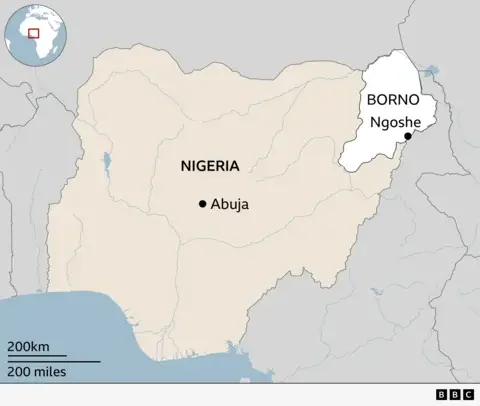
In a significant military breakthrough, the Nigerian Army has successfully freed hundreds of hostages, primarily women and children, from a Boko Haram insurgent stronghold in the northeastern state of Borno. The operation, which took place in the treacherous terrain of the Mandara Mountains, was executed by the Joint Task Force Operation HADIN KAI in collaboration with Special Forces and Sector 1 personnel. While the military officially reported the rescue of 360 individuals, local reports from youth leaders suggest the number of those freed from the village of Ngoshe may be as high as 416. The victims, mostly from a Muslim community near the border with Cameroon, had been held in captivity for several months following a mass abduction earlier this year.
The successful mission was the result of a multi-layered, intelligence-led strategy that utilized unmanned aerial systems for surveillance and psychological operations to destabilize the militants' command structure. Despite the tactical success of the evacuation, the mission was marred by the tragic deaths of two infants who succumbed to exhaustion and the harsh conditions of captivity. Military officials described the operation as a vital step toward regaining security in the region, which has been plagued by Boko Haram’s insurgency since 2009. The rescued hostages are currently receiving medical attention and support as they are processed by authorities.
The circumstances of the release have been met with some conflicting accounts, highlighting the complexity of the security situation in Nigeria. While the army maintains the rescue was a direct result of military action, some local groups assert they played a role in facilitating the release. Furthermore, the Nigerian government has reiterated its stance against paying ransoms, despite widespread public perception that such payments are frequently used to secure the release of captives in what has become an endemic kidnapping crisis. This incident underscores the persistent challenge of mass abductions for ransom, which continue to target vulnerable communities across the country's northern belt.
The ongoing instability in Nigeria remains a critical concern for the administration of President Bola Tinubu and has significant implications for regional security in West Africa. As extremist threats persist, ECOWAS has moved toward establishing a counter-terrorism brigade to prevent the radicalization and spillover of violence into coastal states like Ghana. Analysts suggest that while tactical military victories are essential, long-term peace in the region will require comprehensive systemic reforms, improved governance, and a focused effort to address the socio-economic grievances that fuel the insurgency. The international community continues to monitor the situation closely as Nigeria seeks a sustainable path toward regional stability.
This story touches markets covered on Anansi Intelligence ↗.
More from africa
Continue exploring similar stories


