••
West African Security and Global Diplomatic Shifts: From Nigeria-US Defense Ties to Leadership Reform
•2 min read•24 sources
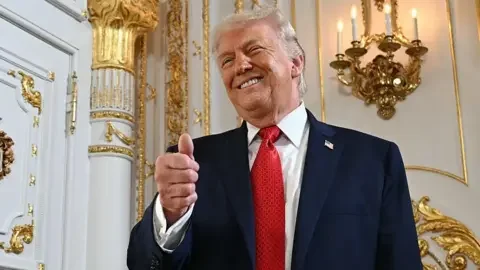
West African security and diplomatic relations are entering a new phase of intensification. In Abuja, the Nigerian Defence Headquarters revealed extensive talks with US AFRICOM Commander General Anderson. This partnership, involving President Bola Tinubu, focuses on joint military exercises, technological support, and the utilization of a joint US-Nigeria intelligence fusion cell to counter regional terrorism. This move signals a significant push toward strengthening Nigeria’s security architecture and operational capacity through international collaboration. This state-level security focus coincides with growing calls for internal political reform and selfless leadership within Nigeria. Veteran Nollywood actress and activist Omotola Jalade-Ekeinde recently highlighted the personal costs of advocacy, revealing that her children faced death threats during the EndSARS protests. As the nation looks toward the 2027 general elections, Omotola has urged for a new caliber of leadership—one willing to make sacrifices for the country’s liberation rather than seeking personal gain. Her shift from street protests to strategic advocacy underscores the evolving nature of civil society engagement in the region. In Ghana, diplomatic and infrastructural priorities are also shifting. President John Mahama has commissioned five new envoys to key nations including Cuba and Mali, emphasizing economic diplomacy and a performance-based assessment for ambassadors. Simultaneously, the Ghana Airports Company Limited has launched an Aviation Security Week to address evolving terrorist threats. However, domestic tensions remain, as the family of the late Major General Kotoka has formally opposed proposals to rename the Kotoka International Airport, calling such moves a slight to his national legacy. Locally, urban management has also seen intervention, such as Regional Minister Linda Ocloo halting construction at the Flowerpot overpass to ensure public safety and regulatory compliance. Finally, global institutional stability is being tested by legal and diplomatic friction. In the United States, Ghislaine Maxwell’s refusal to testify in the Epstein investigation and King Charles’ expressed concern over allegations against Prince Andrew highlight ongoing legal shadows over high-profile figures. These internal institutional challenges, combined with Donald Trump’s threats to block the US-Canada Gordie Howe Bridge and JD Vance’s critique of European security, point toward a period of significant volatility. Whether in the historic election victory of Sanae Takaichi in Japan or the surgical capacity building led by President Mahama in his role with the West African College of Surgeons, leaders are grappling with the need for decisive action in an era of heightened public scrutiny and shifting international norms.
This story touches markets covered on Anansi Intelligence ↗.
Related topic
John Mahama: Latest News & Updates →More from politics
Continue exploring similar stories


