••
Ghana Strengthens Economic Framework with New Fiscal Council, Tax Reforms, and Regional Industrial Drives
•3 min read•7 sources
The Government of Ghana is moving to solidify its economic independence and fiscal discipline as it prepares for life after the International Monetary Fund (IMF) programme. Deputy Minister of Finance, Thomas Nyarko Ampem, has announced the upcoming establishment of an Independent Fiscal Council, a body designed to provide rigorous financial oversight and advisory support for local decision-making. This move comes as the government reports positive economic indicators, including a significant decrease in inflation to 3.8%. During meetings with French economic officials, the government emphasized that this council will be vital for maintaining long-term stability and fostering international partnerships, particularly with France, which has pledged continued support for Ghana's infrastructure and energy sectors.
Parallel to these institutional changes, the Ghana Revenue Authority (GRA) is addressing public concerns regarding the transition to a new Value Added Tax (VAT) regime under the VAT Act, 2025 (Act 1151). Responding to fears from the Abossey Okai Spare Parts Traders Association that the shift from a 4% flat rate to a 20% standard VAT would hike consumer prices, the GRA clarified that the new system allows for full deductibility of input VAT. According to the Authority, this change is designed to lower business costs and could even lead to price decreases when properly applied. To ensure a smooth transition, a joint technical team has been formed with the Ghana Union of Traders’ Associations (GUTA) to assist businesses with compliance and correct pricing adjustments.
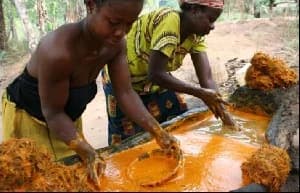
Beyond fiscal and tax policy, the government is intensifying its focus on regional industrialization and agriculture to drive job creation. In the Upper East Region, initiatives have been announced to reactivate the Pwalugu Tomato Factory, which includes supplying farmers with high-yield seed varieties to boost production and reduce post-harvest losses. Similarly, in the Central Region, Odeefuo Amoakwa Boadu VIII, President of the Regional House of Chiefs, has voiced strong support for the government’s "Red Economy" agenda. This drive focuses on expanding palm nut cultivation as a strategic means to tackle youth unemployment and stimulate local economic growth through the agricultural value chain.
These multifaceted initiatives—ranging from high-level fiscal oversight and tax restructuring to local industrial projects—reflect a comprehensive strategy to ensure Ghana's economic self-reliance. By balancing macroeconomic stability with grassroots development, the government aims to create a more resilient economy capable of sustained growth. Moving forward, the success of these programs will depend on continued engagement with stakeholders, from trade associations to traditional leaders, and the effective implementation of the new Independent Fiscal Council's advisory recommendations.
This story touches markets covered on Anansi Intelligence ↗.
Related topic
Ghana Customs Recruitment: Latest News & Updates →More from politics
Continue exploring similar stories


