••
Nigeria and Ghana Launch Mass Repatriations as Xenophobic Violence Escalates in South Africa
•2 min read•11 sources
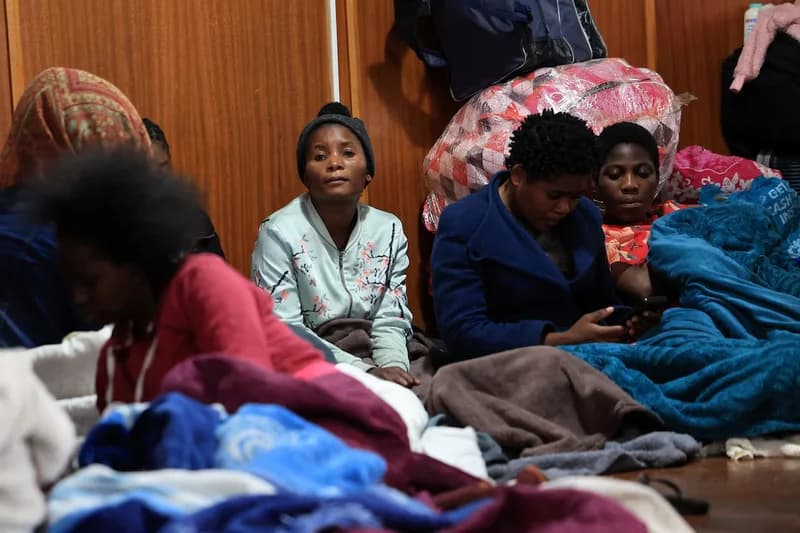
Nigeria has joined Ghana and Mozambique in launching urgent repatriation schemes for their citizens following a violent surge in anti-immigrant sentiment across South Africa. More than 1,000 Nigerians have applied for voluntary return as tensions escalate in regions like Mossel Bay and Kleinmond. This exodus follows the recent evacuation of 300 Ghanaians and the reported deaths of several Mozambican nationals, highlighting a deteriorating security situation for foreign Africans in the continent's second-largest economy. Nigeria's screening process includes special waivers for individuals with immigration-related offenses to ensure a smooth transition home.
The unrest has been fueled by organized xenophobic movements, including the "March and March" group led by Jacinta Ngobese-Zuma and "Operation Dudula," which have issued ultimatums for illegal migrants to leave. In Mossel Bay and Kleinmond, violence reached a boiling point with reports of migrants being forced to flee into the mountains or seek refuge in town halls to escape mobs. While the South African government, including President Cyril Ramaphosa, has publicly condemned the vigilante actions, officials have simultaneously intensified enforcement against undocumented immigrants, a move critics argue provides cover for the perpetrators of violence and heightens the atmosphere of fear.
The humanitarian impact of the crisis is becoming increasingly visible across the continent. In Ghana, the National Disaster Management Organisation (NADMO) recently received donations of clothing and supplies for children evacuated from the unrest, signaling the long-term social disruption caused by the displacement. Meanwhile, neighboring countries like Mozambique have seen hundreds of their citizens return home, many having abandoned their properties which were subsequently marked or occupied by locals. Even for those legally residing in the country, the threat of harassment and the disconnect between Pan-African ideals and the reality on the ground have made staying untenable.
This wave of xenophobia poses a significant threat to the vision of a borderless Africa envisioned under the African Continental Free Trade Area (AfCFTA). Diplomatic tensions are rising, with nations like Ghana boycotting "Africa Day" celebrations in protest of South Africa's handling of the crisis. Analysts warn that the scapegoating of migrants for South Africa’s economic woes—including an unemployment rate exceeding 30%—not only undermines regional trade but also fractures the foundation of Pan-African unity. As repatriation efforts continue, the continental community is calling for a more robust, collective approach to addressing the root causes of migration and social hostility to prevent a complete breakdown of regional integration.
This story touches markets covered on Anansi Intelligence ↗.
More from africa
Continue exploring similar stories


