••
West Africa News Update: Nigerian Army Neutralizes Terrorist Leader as Ghana Faces Legal and Humanitarian Challenges
•3 min read•12 sources
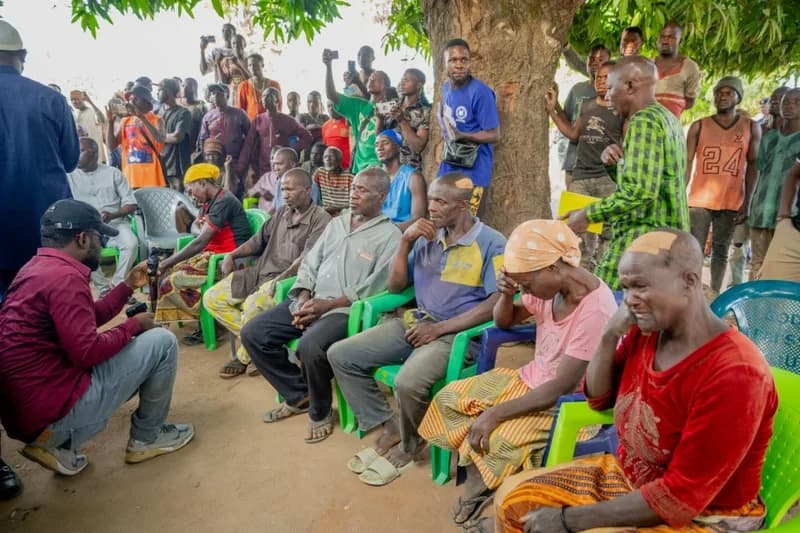
West Africa has seen significant developments this week, ranging from a major military breakthrough in Nigeria to complex legal and social challenges in Ghana. In a notable security operation, the Nigerian Army successfully neutralized a top Boko Haram commander in Borno State, marking a strategic victory in the long-standing insurgency. Simultaneously, Ghana's legal system is processing a high-profile maritime theft case involving a state port official, while students in the Volta Region face a dire humanitarian crisis due to acute water shortages. These events highlight the diverse security and governance issues currently shaping the sub-region.
The Nigerian military reported a successful night raid in the Kodunga area of Borno State, resulting in the death of Abu Khalid, a prominent Boko Haram commander, along with ten other militants. This operation is being viewed by security analysts as a significant shift toward a proactive offensive strategy, moving away from previous reactive measures that often led to military losses. During the raid, troops recovered a cache of weapons, food, and medical supplies, disrupting the group's logistics. The insurgency, which has claimed over 35,000 lives since 2009 and expanded to include the Islamic State West Africa Province (ISWAP), continues to be a primary focus for regional security, aided by US intelligence support.
In Ghana, the Tema High Court has granted bail to Prince Edwin Brem, a staff member of the Ghana Ports and Harbours Authority (GPHA), who is accused of orchestrating the theft of a tugboat valued at $500,000. Brem, who pleaded not guilty to charges of forgery and defrauding by false pretenses, was granted bail set at GH¢500,000 with three sureties. The vessel, named MV Ebenezer and owned by Kofi Kuwada, was allegedly chartered under a fraudulent agreement and never returned. While investigations originally located the boat in Guinea-Bissau, recent reports suggest it may have moved into North American waters, complicating recovery efforts as the Case Management Conference is set for April 2026.
On the social and spiritual front, students at Taviefe Senior High School in the Ho Municipality are enduring a severe water crisis that is jeopardizing their health and education. Students are forced to trek long distances to fetch water from contaminated streams after campus underground tanks—often containing cloudy, foul-smelling water—run dry. Headmaster Sadrack Abiwu has joined students in an urgent appeal for government intervention to provide potable water. Amidst these hardships, Archbishop Charles Agyinasare of Perez Chapel International has called for moral clarity, warning Ghanaians to discern against prophecies motivated by personal ambition or financial gain, emphasizing that true spiritual guidance should foster unity rather than exploitation.
These developments underscore the multifaceted nature of the challenges facing West African nations, from the existential threat of terrorism to the fundamental needs of student populations. As the Nigerian military maintains its offensive and Ghanaian authorities navigate legal and social hurdles, the focus remains on the resilience of state institutions and the welfare of citizens. The outcomes of the upcoming legal proceedings and the government’s response to the water crisis at Taviefe will serve as critical indicators of the region's progress in governance and human rights.
This story touches markets covered on Anansi Intelligence ↗.
More from africa
Continue exploring similar stories


