••
Nestlé Ghana, Qatar Charity, and Local Officials Commission New School Infrastructure to Enhance Quality Learning
•2 min read•3 sources
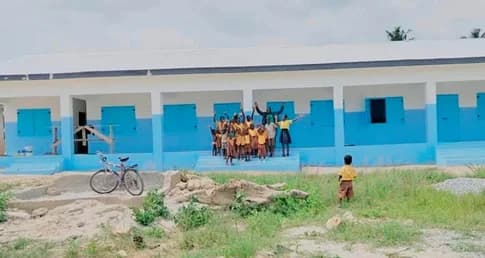
Several communities across Ghana have seen a significant boost in educational infrastructure following the commissioning of new school facilities in the Central, Northern, and Eastern regions. These projects, spearheaded by a combination of local government authorities, international NGOs, and private sector giants like Nestlé Ghana, aim to bridge the infrastructure gap and provide safe, modern learning environments for students. From the inauguration of a modern block in the Komenda Edina Eguafo Abrem (KEEA) Municipality to the handing over of a six-unit classroom block in Tamale North, the nationwide effort underscores a collective commitment to improving educational standards through collaborative investment.
In the Sagnarigu Municipality, Member of Parliament for Tamale North and Deputy Minister for Roads and Highways, Alhassan Suhuyini, joined forces with Qatar Charity to commission a comprehensive educational facility at Darul-Ulum Primary School in Kanvili Kpawomo. This project, completed in seven months, includes a six-unit classroom block, a library, and disability-friendly toilet facilities to ensure inclusivity for all students. Similarly, in the KEEA Municipality, Municipal Chief Executive Ismael Zagoon Seead and Education Director Mrs. Mercy Slegyl inaugurated a modern classroom block equipped with an IT center. Both ceremonies featured a strong call for a "maintenance culture," with leaders urging students and staff to preserve these assets to ensure they serve future generations effectively.
Expanding the reach to rural areas, Nestlé Ghana Ltd, in partnership with ECOM’s Sustainable Management Services, commissioned two new schools in the Adarkwa and Akroma communities located in Suhum and Asikuma Odoben Brakwa. These facilities go beyond traditional classroom space, incorporating mechanized boreholes and toilet provisions to ensure holistic health and sanitation for the pupils. Nestlé’s Managing Director, Salomé Azevedo, emphasized that creating safe educational spaces is paramount for child development, while ECOM’s Managing Director, Sudhir Kumar, noted that quality education remains a pivotal driver for long-term economic growth in these communities.
Collectively, these developments represent a multifaceted approach to solving Ghana's educational challenges by integrating technology, ensuring inclusivity, and addressing basic needs like clean water. By providing modern IT centers and mechanized boreholes alongside standard classrooms, these stakeholders are setting a higher standard for community development. As these facilities begin operations, the focus shifts to the local communities and educational directors to uphold the standards of excellence championed during these ceremonies, ensuring that the promise of quality education translates into tangible academic success for Ghanaian children.
This story touches markets covered on Anansi Intelligence ↗.
More from education
Continue exploring similar stories


