••
NEIP CEO Champions Student Entrepreneurship as Angel Institute Marks a Decade of Sustainable Fashion Training
•3 min read•3 sources
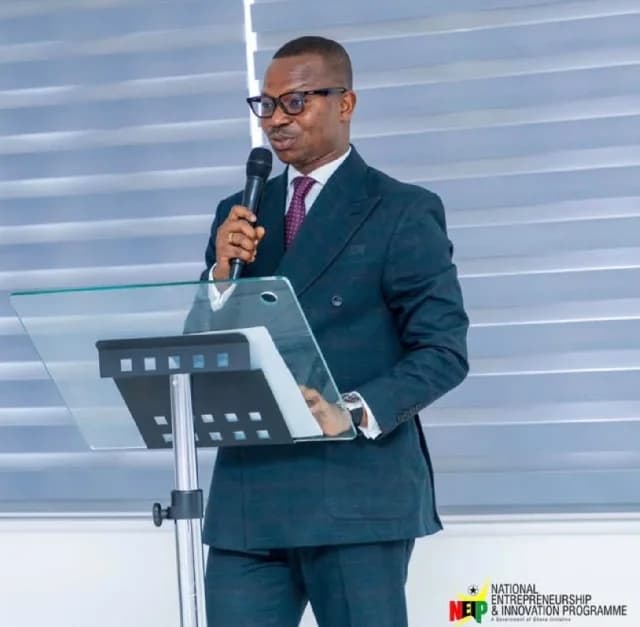
Ghana’s efforts to bridge the gap between creative talent and economic self-sufficiency have gained momentum with high-level calls for student entrepreneurship and the celebration of decade-long vocational excellence. In the Ashanti Region, the National Entrepreneurship and Innovation Programme (NEIP) has challenged students to look beyond raw talent and embrace formal business structures. Meanwhile, in the Volta Region, the Angel Institute of Fashion and Design is setting a precedent for environmental stewardship and youth empowerment through its 10th-anniversary celebrations and the launch of a pioneering zero-waste initiative. Together, these events highlight a shift toward equipping Ghanaian youth with the tools needed to thrive in a modern economy.
During the Ashanti Arts and Enterprise Summit held in Kumasi, NEIP CEO Eric Adjei Esq emphasized that creativity alone is insufficient for long-term economic success. Speaking under the theme "From Talent to Enterprise," Adjei urged students to leverage government interventions such as the SEED Programme to acquire essential entrepreneurial skills, mentorship, and funding. He noted that transforming creative abilities into sustainable business models is crucial for the nation’s economic growth, encouraging the youth to view their skills as the foundation for viable enterprises rather than just personal hobbies. The summit gathered various stakeholders to foster a culture of innovation among students in the region.
Parallel to these calls for entrepreneurship, the Angel Institute of Fashion and Design in Ho celebrated its 10th anniversary with a showcase titled "A Decade of Crafting Skills and Perfecting Precision." Proprietor Angel Goka highlighted the institution's significant growth, moving from a single student at its inception to training over 200 individuals who are now active in the fashion industry. A major highlight of the celebration was the unveiling of a Zero-Waste Fashion Collection, an initiative designed to transform fabric scraps into valuable products. Institute Chairman Davis Selasie Sunny remarked that such practices are vital for both environmental protection and socio-economic development, demonstrating how vocational training can evolve to meet modern sustainability needs.
These developments underscore a growing national trend where education is increasingly focused on practical application and environmental consciousness. By providing students with both the technical skills—as seen in the Ho-based fashion institute—and the business acumen promoted by the NEIP, Ghana is positioning its youth to lead the next wave of industrial innovation. As these programs and institutions expand, the integration of sustainable practices and entrepreneurial mindsets remains key to ensuring that the next generation of Ghanaian professionals can compete on a global stage while addressing local environmental and economic challenges.
This story touches markets covered on Anansi Intelligence ↗.
More from education
Continue exploring similar stories


