••
Dr. Papa Kwesi Nduom Targets Standard Chartered’s Retail Business Amid Shifting Financial Landscape in West Africa
•3 min read•10 sources
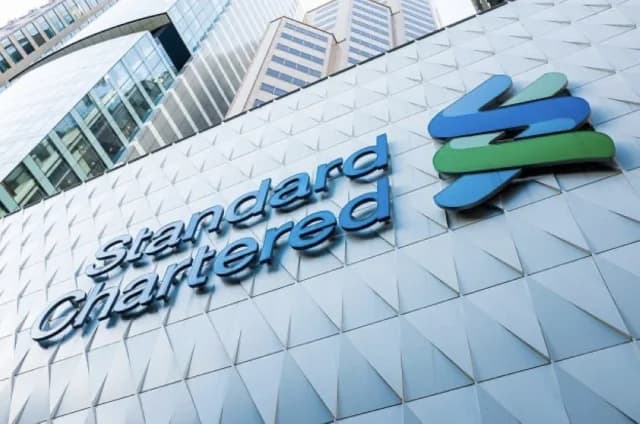
Dr. Papa Kwesi Nduom, Founder and Chairman of Groupe Nduom, has announced that the group is exploring the acquisition of Standard Chartered Bank Ghana’s Wealth and Retail Banking (WRB) business. This potential move follows Standard Chartered’s review of the unit for potential sale, a process expected to span 18 to 24 months. Dr. Nduom has emphasized the need for the divestment process to prioritize local Ghanaian investors, hinting at a future listing of the acquired entity on the Ghana Stock Exchange. While Standard Chartered has assured customers that deposits and services remain secure during this transition, the deal remains subject to regulatory oversight from the Bank of Ghana.
The banking sector's evolution in the region is marked by both strategic restructuring and shifting economic indicators. While retail banking is increasingly focused on enhancing customer experience and financial inclusion through digital innovation, external pressures remain. A report by Fitch Ratings noted that Nigerian banks have seen impaired loan ratios rise to 8% following the withdrawal of regulatory forbearance. However, strong internal capital generation and new paid-in capital requirements are helping these institutions navigate the pressure. This regional context underscores a broader trend where banks are moving beyond traditional transactions toward more responsive, customer-centric models designed to bolster financial resilience.
In tandem with these corporate shifts, Ghana’s small and medium-sized enterprises (SMEs) are undergoing a digital and sustainable transformation. MobileMoney Fintech LTD reports that SMEs are rapidly adopting digital payment solutions to mitigate risks like cash theft and to improve transaction visibility. These digital footprints are proving vital for credit access, as financial institutions begin to assess business viability based on real-time activity rather than traditional collateral. To further support this segment, Access Bank Ghana has partnered with Birmingham City University to integrate green financing and Environmental, Social, and Governance (ESG) principles into lending practices, helping local businesses align with global sustainability standards.
To ensure the longevity of these economic gains, industry leaders are also focusing on the internal structures of Ghanaian businesses. The International Finance Corporation (IFC) recently convened its fourth Family Governance Workshop in Accra, highlighting succession planning and professional management as essential for the survival of family-owned enterprises. Experts from the IFC and the Swiss State Secretariat for Economic Affairs (SECO) noted that structured governance is critical for business continuity. As Ghana’s financial landscape matures through local acquisitions, digital integration, and sustainable financing, the ability of both banks and businesses to implement robust governance will be a key driver of long-term economic stability.
This story touches markets covered on Anansi Intelligence ↗.
More from business
Continue exploring similar stories


