••
Eastern Regional Minister and NCPTA Urge Accountability and Parental Support Amidst New Academic Transitions
•3 min read•9 sources
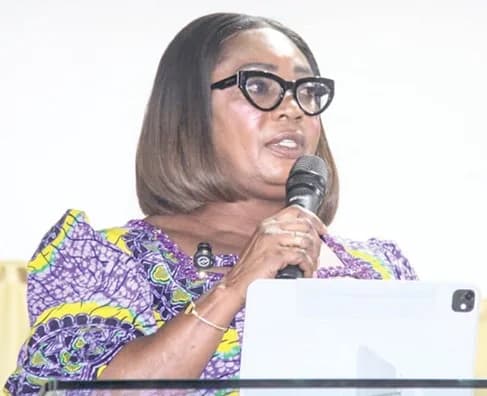
As thousands of students across Ghana transition into Senior High Schools (SHS) and Technical and Vocational Education and Training (TVET) institutions, education leaders and government officials are calling for a renewed commitment to discipline, parental responsibility, and professional ethics. The National Council of Parent-Teacher Associations (NCPTA)-Ghana has emphasized that while the government provides tuition-free education and improved infrastructure, the role of the parent remains indispensable. Felicity Ahafianyo, the National Public Relations Officer of the NCPTA, urged parents during a zonal meeting in Ho to equip their children with essential educational materials to ensure a successful start to their secondary education. She also called on families, churches, and NGOs to provide a safety net for vulnerable children to prevent them from falling through the cracks of the educational system.
Parallel to these calls for parental support, the Eastern Regional Minister, Rita Akosua Adjei Awatey, has issued a stern warning regarding the professional conduct of educators. Addressing male teachers at the Yilo Krobo Future Leaders Conference, the Minister cautioned against any sexual relations with female pupils, emphasizing that such actions constitute grave professional misconduct and will face full legal repercussions. The conference highlighted the urgent need for stricter discipline in schools and improved parental guidance to combat rising issues such as teenage pregnancy and substance abuse among the youth. This drive for integrity is being echoed by public figures like dancehall artist Shatta Wale, who recently urged students at the University of Professional Studies, Accra (UPSA) to adopt his independent mindset and critical thinking rather than simply mimicking a flashy lifestyle.
The importance of perseverance in the face of academic and professional challenges is further illustrated by the story of Dancer Rica, a member of the Dance. Grow. Live Academy. Despite the exhaustion of juggling teacher training with a high-profile dance career that often required traveling for performances, she successfully graduated with a first-class degree. Her success underscores the potential for students to balance vocational passions with rigorous academic standards when provided with the right focus. Meanwhile, on the institutional level, the Media Foundation for West Africa (MFWA) is enhancing the legal literacy of the next generation of professionals by launching a legal support fund and training program to help journalists navigate litigation threats and understand the legal frameworks governing their work.
On the international front, educational reforms are also taking a strategic turn as Algeria prepares for the 2026-27 school year. The country has announced a significant shift toward English as the primary foreign language in primary schools, moving away from French due to its colonial associations and the global dominance of English. This reform, which introduces English in the third year of primary education, reflects a broader trend of nations restructuring their curricula to better align with modern global realities. Together, these local and international developments point toward a future where education is defined not only by classroom access but by the quality of mentorship, professional integrity, and strategic adaptation to a changing world.
Related topic
Shatta Wale: Latest News & Updates →

