••
Africa Regional Update: Nairobi Battling Floods as Ghana Faces Legal and Environmental Health Crises
•3 min read•9 sources
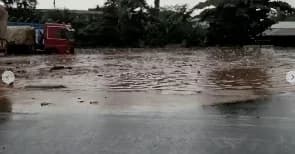
East and West Africa are currently navigating a series of urgent developments ranging from natural disasters to significant legal and public health challenges. In Kenya, the capital city of Nairobi has been paralyzed by severe flooding following heavy overnight rains that began in early March 2026. The Kenyan military was deployed to assist with emergency rescue efforts as motorists found themselves stranded and vehicles submerged. To alleviate traffic congestion, local authorities waived toll fees on elevated roads. This weather pattern is part of the region's 'long-rains' season, which has historically caused widespread displacement and fatalities across the country since it began in late February. Alongside these environmental challenges, Kenya is witnessing a significant cultural shift in health and beauty standards. Once viewed as a sign of wealth, being overweight is increasingly seen as a health risk, leading to a surge in demand for weight-loss surgeries and medications like Ozempic. Medical experts, however, caution against unregulated use as urban obesity rates climb, with over half of urban women now classified as overweight.
In Ghana, the legal system and law enforcement agencies are addressing high-profile criminal and safety incidents. The Cyber Security Authority and the Ghana Police Service recently arrested Rev. Dr. Ebenezer Conduah, a self-styled international marriage counsellor, for the possession and distribution of child sexual abuse material. The arrest, which took place just before the country's Independence Day celebrations on March 6, 2026, followed allegations that Conduah had abused a 17-year-old minor for four years. Digital evidence reportedly links the accused to international pornography websites, and he has been remanded for three weeks pending further investigation. Simultaneously, the University of Cape Coast (UCC) has launched an investigation into the tragic death of Kweku Mensah, a Level 200 Commerce student. Mensah lost his life in a motorcycle accident on campus while attempting to retrieve his identification card for an examination, colliding with an Ayalolo bus.
On the public health front, Ghanaian experts are raising the alarm over the long-term impact of illegal mining, known locally as 'galamsey,' and environmental pollution. Dr. Benson Owusu, a public health expert, has linked exposure to heavy metals such as lead, mercury, and arsenic to a rising risk of diabetes in children. These toxic substances, often found in areas with high mining activity and air pollution, can severely damage the pancreas and disrupt blood sugar regulation. The urgency of this issue is underscored by reports from the Korle Bu Teaching Hospital, which recorded over 5,000 cases of non-communicable diseases (NCDs) in the first half of 2025 alone. Health advocates are calling for stricter environmental regulations and increased parental vigilance to protect the health of future generations from these avoidable environmental hazards.
These collective events across Kenya and Ghana highlight a critical period of transition and trial for the region. From the immediate need for disaster management and infrastructure resilience in the face of climate-driven flooding to the complexities of regulating digital spaces and protecting children's health, governments are being pushed to strengthen their regulatory frameworks. Whether through the enforcement of cyber laws, the policing of illegal mining, or the management of public health trends, the focus remains on safeguarding citizens during a time of rapid social and environmental change.
This story touches markets covered on Anansi Intelligence ↗.
More from africa
Continue exploring similar stories


