••
NADMO, Telecel Ghana, and Forestry Commission Scale Up Environmental Conservation and Flood Prevention Efforts
•2 min read•3 sources
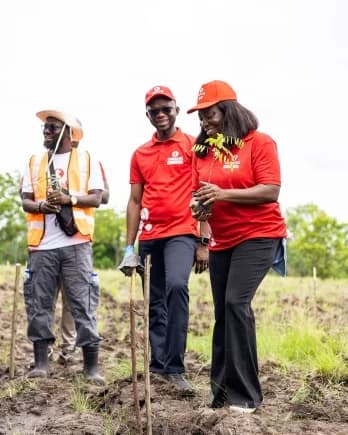
Ghana is intensifying its environmental protection efforts through a series of multi-sectoral initiatives aimed at flood prevention and reforestation. Leading the charge, the National Disaster Management Organisation (NADMO) and Zoomlion Ghana Limited have launched a 12-week nationwide campaign dubbed 'No Do No Do.' This initiative, coinciding with broader ecological restoration projects, emphasizes that many of Ghana’s environmental challenges—particularly urban flooding—are preventable through responsible waste management and proactive community engagement. In the capital, the Greater Accra Regional Director of NADMO, Dennis Adjannor Nartey, highlighted that flooding is not merely a natural disaster but a consequence of human actions. The 'No Do No Do' campaign will focus on desilting drains and educating the public on the critical link between proper sanitation and flood mitigation. Supported by Zoomlion’s Emma Adwoa Appiah Osei-Duah, the program seeks to foster long-term behavioral changes, ensuring that drains remain clear ahead of the peak rainy season to protect lives and property. Simultaneously, corporate and regional bodies are scaling up reforestation to combat land degradation. Telecel Ghana recently partnered with the Ghana Forestry Commission to plant 10,000 seedlings in the Chipa Tributary Forest Reserve, marking a milestone of 43,000 trees planted by the company over five years. Chief Executive Ing. Patricia Obo-Nai underscored the initiative as part of a commitment to the government’s 'Tree for Life' campaign, engaging over 250 volunteers and local students to restore forest health in areas threatened by encroachment. The reforestation momentum extends to the Ashanti Region, where the Forestry Commission has set an ambitious target of planting three million trees under its 2026 drive. Launched at the Armed Forces Senior High School in Kumasi, this regional effort builds on a successful previous cycle that saw an 85% survival rate for new plantings. The Ashanti Regional Forestry Commission is prioritizing the restoration of degraded forest reserves and addressing the ecological damage caused by illegal mining, offering free seedlings to the public to encourage widespread participation. These collective actions by NADMO, Telecel, and the Forestry Commission reflect a unified strategy to build national resilience against climate-related disasters. By combining public education, corporate social responsibility, and large-scale ecological restoration, these initiatives aim to move Ghana toward a more sustainable and disaster-resistant future. The success of these programs remains dependent on sustained community involvement and the enforcement of environmental regulations to protect the newly restored landscapes.
