••
NADMO Intensifies Nationwide Disaster Prevention as Floods Claim Lives in Ketu North and Structural Risks Rise in Tema
•3 min read•4 sources
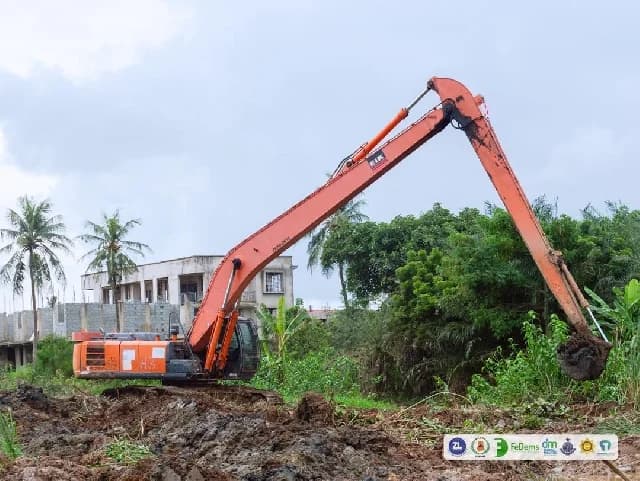
The National Disaster Management Organization (NADMO) has scaled up operations across several regions of Ghana to mitigate the devastating impact of the current rainy season, which has already claimed two lives in the Ketu North Municipality of the Volta Region. While emergency teams are actively distributing relief items to victims of the floods, authorities are simultaneously grappling with critical urban safety concerns and infrastructure deficits in Greater Accra and the Bono Region. These interventions range from intensive desilting of choked drains to ordering the evacuation of historic residential buildings deemed structurally unsound and liable to collapse.
In Tema Community 4, a tense standoff has emerged at the Kaiser Flats housing complex. The Greater Accra Regional NADMO Director, Dennis Nartey, has flagged six blocks as high-risk for collapse due to visible deterioration and a history of similar failures in the vicinity. Despite official calls to disconnect utilities and proceed with demolition, residents are resisting the move. The occupants cite legal ownership and a lack of prior structural assessments, arguing that the concrete construction remains safe. Simultaneously, in other parts of the capital, NADMO has partnered with Zoomlion Ghana and Dredge Masters to desilt drains and dredge the Dakobi River, aiming to enhance stormwater flow and protect flood-prone communities.
The urgency of these preventative measures is underscored by the tragedy in Ketu North, where severe flooding not only led to loss of life but also submerged vast farmlands. Member of Parliament Eric Edem Agbana has voiced grave concerns over regional food security following the destruction of crops, urging vulnerable residents to seek higher ground. In a similar vein, NADMO officials in the Wenchi Municipality, led by Zonal Officer Yahaya Baro, have warned that poor drainage systems and the construction of buildings on waterways are recipes for disaster. Baro has called on local assemblies and traditional authorities to cease land allocations in flood-prone areas and prioritize the maintenance of existing drainage infrastructure.
As the rainy season persists, NADMO continues to emphasize the need for a collaborative approach to disaster management. The organization is advocating for responsible waste disposal by the public to prevent drain blockages and is urging local government assemblies to implement long-term flood mitigation strategies. The current operations in Accra, Tema, and Wenchi represent a critical effort by the state to balance immediate public safety requirements with the complex social and legal realities of urban housing and land use. For now, the focus remains on preventing further casualties as the weather forecast predicts continued heavy rainfall in the coming weeks.
This story touches markets covered on Anansi Intelligence ↗.
More from africa
Continue exploring similar stories


