••
NACOC and UHAS Basic School Advocate for Youth Empowerment and Education to Combat Rising Drug Abuse
•3 min read•4 sources
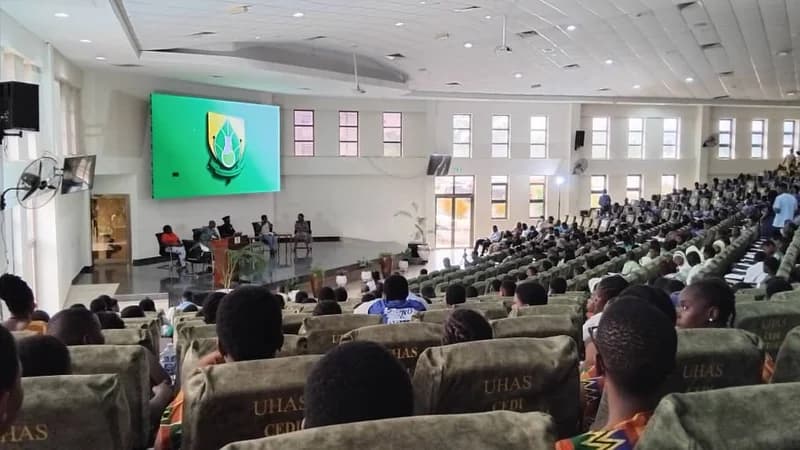
The Narcotics Control Commission (NACOC) and the University of Health and Allied Sciences (UHAS) Basic School have made a strong call for sustained investment in youth empowerment and education as primary strategies to combat the growing menace of drug abuse and illicit trafficking. This appeal was made during the third UHAS Basic School World Drug Day celebration held in Ho, themed "World Drug Problem: Persisting Issues, New Challenges, Innovative Responses." With global statistics indicating that nearly 300 million people are currently affected by drug use, stakeholders emphasized that building resilience among young people is essential to safeguarding the future of the nation.
The Volta Regional Commander of NACOC, Mr. Worlanyo Fianu, highlighted specific local concerns during the event, particularly the significant issues surrounding cannabis cultivation within the region. He warned of the evolving nature of the drug crisis, which now includes the emergence of synthetic substances and the exploitation of vulnerable youth by criminal networks. Mr. Fianu stressed that the fight against drug abuse requires more than just law enforcement; it necessitates a holistic approach that addresses underlying socio-economic issues such as poverty and limited opportunities. He urged community leaders and families to take an active role in promoting anti-drug messages and creating an environment where youth can make informed, healthy choices.
Supporting this call, UHAS officials, including Prof. Frank Edwin, underscored the necessity of continuous drug education within the academic curriculum. The event’s sub-theme, ‘Prevention Through Empowerment,’ served as a focal point for discussions on how educational institutions can act as first responders in the prevention cycle. Mr. Seth Korgah added that focusing on prevention is far more effective and less costly than dealing with the devastating consequences of addiction later. By fostering open dialogue about drug-related issues, schools and universities can empower students with the knowledge needed to reject drugs and focus on their academic and professional goals.
The celebration brought together various health and social organizations, reinforcing the idea that a multi-faceted, collaborative effort is the only way to achieve a drug-free generation. Participants were encouraged to remain focused on their personal development while resisting the allure of illicit substances. As the global drug problem continues to present new challenges, the partnership between NACOC and educational institutions like UHAS Basic School serves as a model for community-based intervention. Moving forward, the emphasis remains on creating a sustained, nationwide movement that prioritizes the mental and physical well-being of Ghana's youth through education and resilient support systems.
This story touches markets covered on Anansi Intelligence ↗.
More from education
Continue exploring similar stories


