••
Interior Minister Calls for Unified African Response as Nigeria and Somalia Grapple with Deadly Violence
•2 min read•5 sources
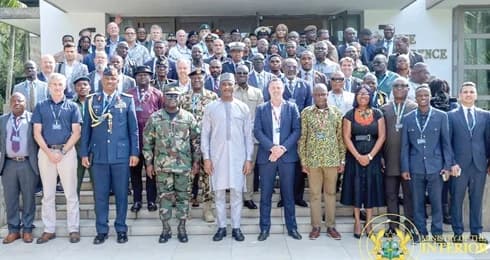
Ghana's Minister for the Interior, Alhaji Muntaka Mohammed-Mubarak, has issued a powerful call for African nations to strengthen collaborative frameworks to address the continent’s evolving security crisis. Speaking at the 13th Africa Security Symposium (ASEC 2026) in Accra, the Minister emphasized that lasting peace requires more than just high-level discussions; it necessitates actionable partnerships and innovative strategies to confront threats ranging from counter-terrorism to climate-driven insecurity. The symposium, co-organized by the African Union, highlighted that the interconnected nature of modern security challenges means no single nation can effectively combat them in isolation.
The urgency of this call is underscored by a series of violent incidents across the continent, most notably in Nigeria and Somalia. In Nigeria’s Benue State, gunmen suspected to be Fulani herders launched a devastating attack on the Otukpo Local Government Area. While local police officials initially reported eight deaths—including three children—residents and local leaders claim the death toll is as high as 18. The violence, which occurred in the Otukpo-Nobi community, has sparked significant unrest, with angry locals blocking roads in protest of ongoing land and resource disputes. Meanwhile, in Somalia, the national army, bolstered by international support, successfully conducted airstrikes in Middle Shabelle, killing 26 al-Shabaab militants and dismantling key resources used for regional terror operations.
In addition to regional militancy, law enforcement agencies are grappling with international criminal elements seeking refuge on the continent. In Johannesburg, South African authorities arrested Ndodana Mkhanyisi Tshuma, a 45-year-old British citizen, on suspicion of murdering his wife and two daughters in Bedfordshire, UK. Tshuma was found in possession of an unlicensed firearm, which police believe he purchased shortly after arriving in South Africa with the intent to harm himself. This high-profile arrest, aided by the suspect's own family members, highlights the critical role of cross-border intelligence sharing and legal cooperation in maintaining public safety.
As the ASEC 2026 symposium concludes, officials have stressed the importance of inclusive security strategies, including the active involvement of women in peacebuilding and counter-terrorism roles. Major General Emmanuel Wekem Kotia (retd) noted that the event has already resulted in concrete commitments from participating nations to enhance cooperative frameworks. Moving forward, the focus remains on transforming these commitments into tangible security improvements that protect vulnerable populations from both organized extremist groups and the localized violence that continues to plague regions like Benue State.
This story touches markets covered on Anansi Intelligence ↗.
More from africa
Continue exploring similar stories


