••
MTN Ghana and CalBank Partner for 15th Annual 'Save A Life' Blood Donation Campaign
•2 min read•1 source
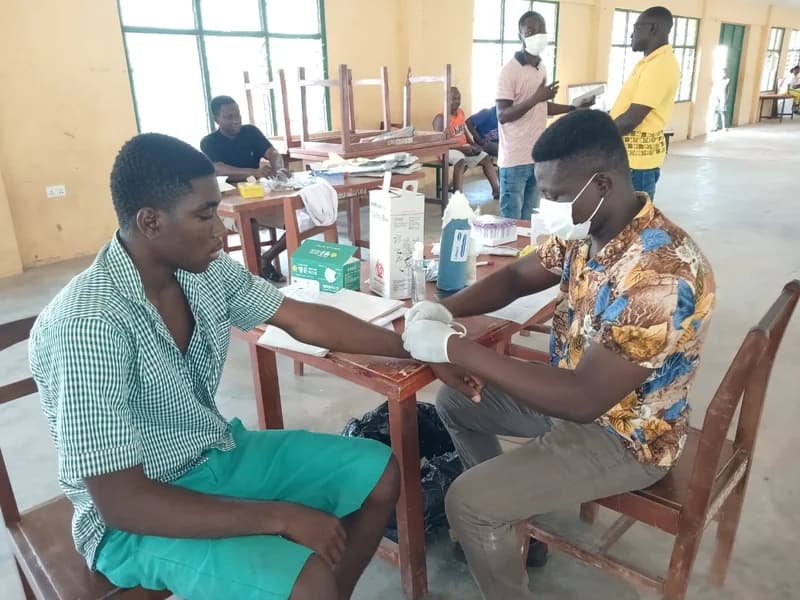
MTN Ghana, in collaboration with CalBank, has officially launched the 2026 edition of its 'Save A Life' campaign, a nationwide blood donation and screening initiative held annually on Valentine’s Day. This year’s launch featured prominent activities in Sawla and Bole within the Savannah Region, continuing a 15-year tradition of corporate social responsibility aimed at addressing critical blood shortages in the country. The initiative was developed in response to urgent requests from the National Blood Bank to replenish its stocks and ensure a stable supply for medical emergencies across Ghana.
The 2026 campaign has significantly scaled its operations, establishing 37 blood collection centers across all 16 regions of the country. In the Savannah Region specifically, organizers have set an ambitious target of collecting 250 pints of blood. To achieve this, the campaign is working closely with local hospitals and community leaders to facilitate a seamless donation process. This decentralized approach ensures that the impact of the drive is felt nationwide, particularly in areas where blood supplies are often most constrained.
A key strategy for this year’s drive is the active engagement of senior high school students. By focusing on the youth, MTN Ghana and CalBank aim to foster a sense of patriotism and instill a lifelong culture of voluntary blood donation. The partners believe that encouraging students to participate not only helps meet immediate collection targets but also builds a sustainable foundation for the future of Ghana's healthcare system. Beyond schools, the campaign continues to invite the wider public to participate in the screening and donation exercises as a selfless gesture of love on Valentine’s Day.
Over its 15-year history, the 'Save A Life' campaign has become a cornerstone of MTN’s health-focused interventions. By bridging the gap between the National Blood Bank and voluntary donors, the initiative plays a vital role in strengthening the resilience of the national healthcare infrastructure. As the collection centers continue their work throughout the region, the collaboration between the private sector and health authorities serves as a model for addressing public health challenges through sustained community engagement and corporate partnership.
