••
MTN Ghana Pledges $1 Billion Investment in Digital Infrastructure Amidst Shifts in Global and Local Fintech Landscapes
•2 min read•6 sources
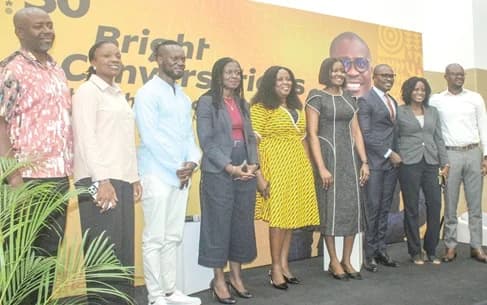
MTN Ghana has announced a monumental commitment of US$1 billion toward digital infrastructure as part of its 'Ambition 2030' strategy. This investment is designed to significantly enhance fibre broadband infrastructure and digital systems across the country, addressing the surged demand for reliable home internet that followed the COVID-19 pandemic. Chief Home Officer Richard Acheampong emphasized that the initiative aims to bridge the digital divide and position Ghana as a competitive hub for digital economy jobs. Beyond hardware, MTN is advocating for public education on fixed broadband and seeking collaboration with stakeholders to classify fibre infrastructure as a critical national asset to protect it from frequent disruptions.
While MTN scales up its connectivity efforts, Ghana’s homegrown fintech sector is navigating regulatory turbulence following the Bank of Ghana's recent revocation of Zeepay’s license. Since its founding in 2014, Zeepay had emerged as a leader in cross-border remittances, raising approximately US$42 million in international investment and establishing a vast network across Africa. The company’s ability to bypass traditional banking paperwork made it a cornerstone of digital inclusion in Ghana. However, the current regulatory standoff raises significant questions regarding the future of fintech oversight and the long-term stability of the country's evolving digital payment ecosystem.
On the global stage, the intersection of technology and finance continues to deepen through strategic partnerships. Samsung Electronics has officially entered the U.S. financial services market with the launch of the 'Samsung Galaxy Card' in collaboration with Barclays and Visa. Integrated directly into the Samsung Wallet, the card offers 5% cashback on Samsung products and represents a direct challenge to competitors like Apple Pay. This move aligns with Barclays’ broader strategy to expand its consumer business in the United States, following its recent acquisition of General Motors' credit card operations.
In tandem with these financial shifts, the global AI landscape is seeing a push for technological sovereignty. Microsoft has entered a multi-billion dollar agreement with the French AI firm Mistral to integrate its advanced models into the Microsoft Azure platform. This partnership is particularly significant as it allows European customers to utilize local data centers, potentially reducing reliance on U.S.-controlled infrastructure despite the continued necessity of American-designed hardware like Nvidia chips. Together, these local and international developments underscore a period of rapid transformation where infrastructure investment and strategic fintech alliances are redefining the digital economy both in Ghana and abroad.
This story touches markets covered on Anansi Intelligence ↗.
Live rates
Dollar to cedi rate →More from business
Continue exploring similar stories


