••
Mozambique Battles Deadly Cholera Surge Amid Severe Flooding and Rising Death Toll
•2 min read•8 sources
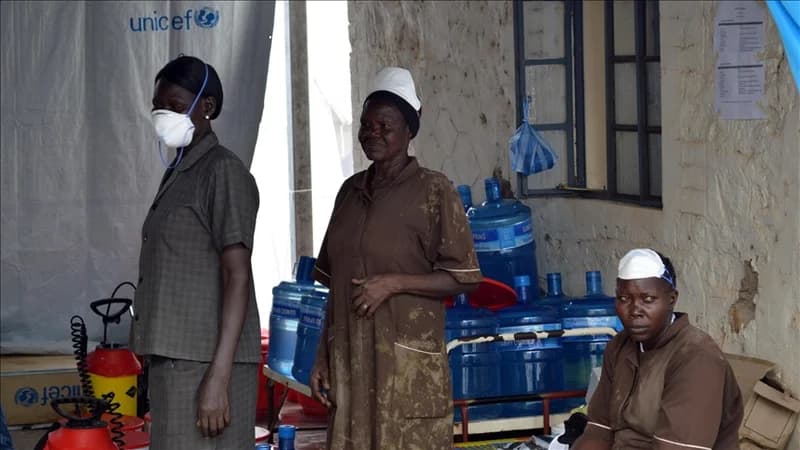
Mozambique is facing a critical public health crisis as cholera cases surge across the nation, claiming 12 lives in just a 24-hour period. Health officials reported 135 new infections within the same window, highlighting a rapid escalation of an outbreak that has already resulted in 169 deaths in 2025. The crisis is particularly acute in the provinces of Tete, Nampula, and Cabo Delgado, with Tete emerging as the current epicenter of the epidemic. The sudden spike has seen the death toll in the Tete region double recently, underscoring the virulence of the current strain.
Data from the Directorate of Public Health indicates that of the 135 new cases, 49 patients required immediate hospital admission to manage severe symptoms. In Tete alone, 87 new patients were recorded in a single day, putting immense pressure on local healthcare infrastructure and emergency response teams. This current wave is part of a broader outbreak that has been fluctuating since late 2022, but the recent acceleration has raised alarms among international health observers and local authorities alike who are struggling to contain the spread in densely populated and underserved areas.
Compounding the medical emergency is a severe climate crisis that has hit the region simultaneously. Mozambique is currently grappling with torrential rains and widespread flooding, which have displaced thousands and claimed numerous lives independently of the cholera outbreak. These floods provide the ideal conditions for the waterborne disease to spread, as clean water sources are contaminated and sanitation systems are overwhelmed. The displacement of populations further complicates efforts to track and treat patients, creating a "double disaster" for the Southern African nation as it manages both health and environmental catastrophes.
In response to the growing threat, the Mozambican government has reaffirmed its commitment to a long-term strategy to eliminate the disease as a public health issue by 2030. This initiative focuses on fundamentally improving national access to safe drinking water, modern sanitation, and expanded healthcare services. For the immediate term, however, the government and health partners are focused on emergency containment, providing clean water kits, and strengthening provincial health centers to manage the influx of patients amidst the ongoing rainy season.
This story touches markets covered on Anansi Intelligence ↗.
More from africa
Continue exploring similar stories


