••
Ghanaian Music Reaches Global Heights as Moliy Triumphs at iHeartRadio Awards Amid Local Industry Debates
•2 min read•4 sources
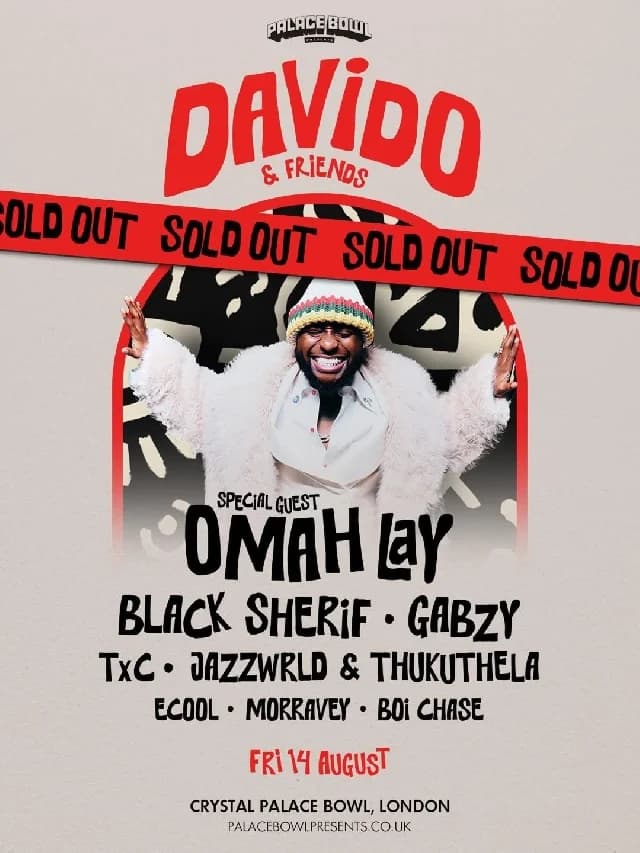
The Ghanaian music industry is experiencing a period of significant international acclaim contrasted by internal debates regarding genre recognition and artistic presentation. In a major milestone for African music, Ghanaian singer Moliy was crowned World Artist of the Year at the 2026 iHeartRadio Music Awards held in Los Angeles. Triumphing over a field of international contenders, Moliy’s win reflects the burgeoning global influence of the 'Ghanaian sound.' Her dual nomination, which included a nod for Best New Artist in the Hip-Hop category, underscores her versatile, genre-blending appeal and the increasing mainstream acceptance of African musicians on the world stage. This global momentum is further evidenced by the commercial success of the 'Davido & Friends' concert in London. Nigerian superstar Davido saw his upcoming show at the Crystal Palace Bowl sell out within a mere 24 hours of ticket release. Scheduled for August 14, 2026, the event features prominent guest performers including Ghana’s Black Sherif and Nigeria’s Omah Lay, highlighting the massive demand for Afrobeats and highlife-inspired genres in the United Kingdom and across Europe. Despite these international victories, the local industry faces scrutiny from within. Kofi Jam, the manager of prominent rapper Medikal, has publicly called out the Telecel Ghana Music Awards (TGMA) ahead of their 2026 ceremony. Jam expressed concerns over the perceived marginalization of the rap genre, pointing out that a rapper has not secured the prestigious Artiste of the Year title since 2016. He argued that the consistent sidelining of rap artists like Medikal suggests a worrying pattern of neglect that fails to account for the genre’s cultural impact and the consistent output of its practitioners. Adding to the internal discourse, Papi of the legendary group 5Five has raised concerns regarding the aesthetic identity of modern Ghanaian performers. In a recent interview, Papi criticized the current generation of artists for what he termed a lack of authentic fashion sense, claiming many simply emulate internet trends rather than developing styles that suit their personas. He notably defended the often-criticized image of Shatta Wale, suggesting that public backlash against the Dancehall star's attire stems from a misunderstanding of genre-specific fashion. These developments highlight a dual reality for Ghana’s music scene: while individual artists are breaking barriers and winning top-tier global awards, the industry continues to grapple with foundational issues of fair recognition and the cultivation of a unique artistic brand.
This story touches markets covered on Anansi Intelligence ↗.
Related topic
Shatta Wale: Latest News & Updates →More from entertainment
Continue exploring similar stories


