••
Ghana Political Landscape Intensifies: Minority Challenges MoMo Fees as NPP Petitions EU Over Human Rights
•3 min read•57 sources
The Ghanaian political arena has entered a period of heightened tension and scrutiny as the Minority Caucus in Parliament intensifies its opposition to fiscal and governance policies. Led by Minority Leader Alexander Afenyo-Markin, the caucus is demanding an unconditional and permanent ban on the proposed 0.75% fee on MTN mobile money transactions. Despite a Bank of Ghana directive to pause the implementation, the Minority argues that any such charge is unconstitutional without explicit legislative approval. They have called for a formal bill from the executive and a constitutional opinion from the Attorney-General, while simultaneously demanding that Finance Minister Dr. Cassiel Ato Forson clarify his role in the fee's introduction. Amidst these economic debates, Dr. Forson has separately maintained that Ghana does not anticipate future IMF bailouts, signaling a shift toward economic sustainability and policy partnership with the fund.
Simultaneously, the New Patriotic Party (NPP) has taken the unusual step of petitioning the European Union Delegation to Ghana to monitor what it describes as a declining human rights climate. National Organiser Henry Nana Boakye accused the government of utilizing state institutions and judicial processes to suppress free speech and intimidate political opponents. This external appeal occurs as internal party discipline becomes a focal point for the National Democratic Congress (NDC). The NDC Council of Elders, following a meeting with President John Dramani Mahama, has issued a stern warning to members against engaging in premature presidential campaigns. The Council emphasized that unity and the government’s "Resetting Agenda" must take priority over internal contests until the National Executive Committee establishes an official primary timetable.
Legal and investigative developments are further complicating the political narrative. The High Court in Accra recently admitted significant photographic and video evidence in the illegal mining trial of Ashanti Regional NPP Chairman Bernard Antwi Boasiako, also known as Wontumi, involving Akonta Mining. In separate legal proceedings, Greater Accra NDC Chairman Ashie Moore faced intense cross-examination regarding allegations of privacy violations and fraud reports. Additionally, the Ghana Prisons Service has launched a high-level investigation into claims that an inmate at the Ankaful Maximum Security Prison acted as an intermediary in the murder plot of Nana Serwaa Asaama Agyankoma I, the Queen Mother of Abamba. These cases, along with the NPP's push for a CHRAJ probe into the Damang Mine takeover by Engineers & Planners, highlight a growing demand for accountability across the political spectrum.
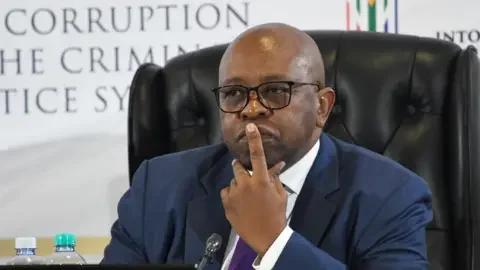
On the regional and international front, West Africa reflects a mix of democratic shifts and governance challenges. Cape Verde's opposition PAICV recently secured a clear parliamentary victory, leading to a peaceful transition of power with Francisco Carvalho set to become Prime Minister. Conversely, Comoros is facing mounting pressure as six former prime ministers urge the government to allow jailed ex-president Ahmed Abdallah Sambi to seek medical treatment abroad amid reports of deteriorating health and political repression. These regional events, coupled with South Africa’s ongoing Madlanga Commission inquiry into police corruption and the U.S.-Iran ceasefire tensions, provide a complex backdrop to Ghana's own domestic struggles. As Ghana navigates these multifaceted challenges, the balance between economic reform, democratic integrity, and institutional accountability remains the defining theme of the current political discourse.
Related topic
Ghana Prisons Service Recruitment: Latest News →

