••
Global Aviation Crisis: Thousands Stranded as Middle East Conflict Triggers Massive Flight Cancellations
•2 min read•1 source
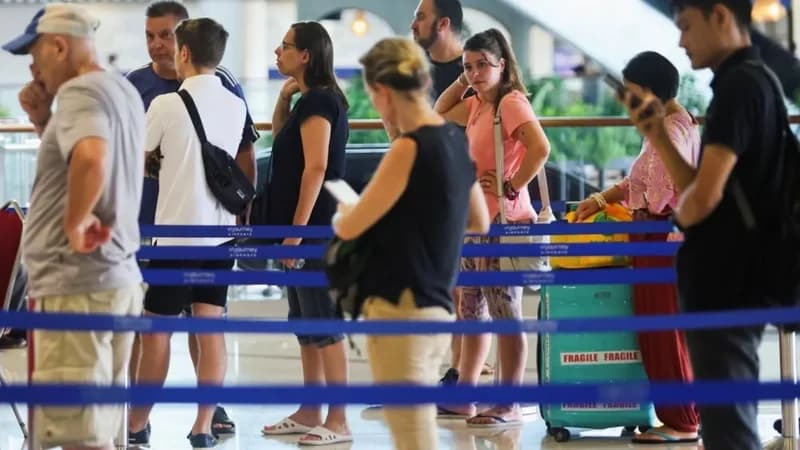
Major military actions involving Israel, the United States, and Iran have triggered a massive wave of flight cancellations across the Middle East, causing unprecedented disruption to global air travel. More than 4,000 daily flights have been affected, leaving hundreds of thousands of passengers stranded at various international hubs. The scale of the crisis is particularly evident in the Gulf region, where data indicates that approximately 79 percent of flights scheduled for Qatar and 71 percent of those destined for the United Arab Emirates have been cancelled. This sudden halt in aviation services underscores the volatility of the regional security situation and its immediate impact on international commerce and mobility. Key regional carriers, including Etihad and Emirates, have been forced to suspend their regular services as safety concerns mount. While limited operations have recently resumed at Dubai International Airport, priority is being strictly given to passengers with existing bookings, leaving many others in a state of uncertainty. Travelers at major airports have described scenes of chaos as they navigate shifting safety alerts and a lack of clear information. The disruption is not limited to regional carriers, as international airlines are being forced to reroute their flight paths through other countries to avoid the conflict zones, adding significant time and cost to global travel itineraries. International response to the crisis has been swift, with the UK Foreign Office issuing a formal advisory against all travel to the affected region. British nationals currently in the area are being strongly encouraged to register with their respective embassies for emergency updates. As the military situation continues to evolve, the aviation industry faces a complex recovery process. The immediate priority remains passenger safety, but the long-term implications for regional travel hubs—which were already navigating a post-pandemic recovery—are significant. For now, travelers are advised to remain in close contact with their airlines and monitor safety alerts as the geopolitical situation remains fluid.


