••
UN Reports 144 Migrants Dead off Mauritania Coast as Al Qaeda-Linked Militants Kill 50 in Mali Military Ambush
•3 min read•3 sources
The West African region is currently grappling with a surge in humanitarian and security crises, ranging from mass casualties along maritime migration routes to a deadly escalation of insurgent violence in the Sahel. These challenges are further compounded by the rapid evolution of transnational drug trafficking networks, which are increasingly leveraging technology to bypass law enforcement. Together, these events underscore the volatile state of regional stability and the urgent need for coordinated international intervention to address the root causes of displacement and insecurity.
In a devastating maritime tragedy, the United Nations has confirmed that 144 refugees and migrants are dead or missing following incidents off the coast of Mauritania. Between July 14 and 18, rescue operations saved 387 individuals, yet 143 fatalities were linked to a single vessel that originated in Gambia. This boat, destined for Spain, had been adrift at sea for 25 days before being discovered. Among the 38 survivors were two children who lost their families during the harrowing journey. The UNHCR has warned that the sea route from West Africa to Europe remains exceptionally perilous, despite a reported 61% decrease in arrivals to Spain compared to the previous year.
Further inland, the security situation in the Sahel continues to deteriorate as militants linked to al Qaeda and Tuareg-led separatist groups carried out a major ambush against a military convoy in northern Mali. Reports indicate that over 50 soldiers and allied Russian fighters were killed in the assault, with several others taken hostage. This ambush is part of a significant escalation in violence that has gripped the country since April, including high-profile attacks on the defense minister and the airport in Bamako. Insurgent groups are now reportedly pushing to seize the strategic town of Anefis, marking a dangerous new phase in the regional conflict.
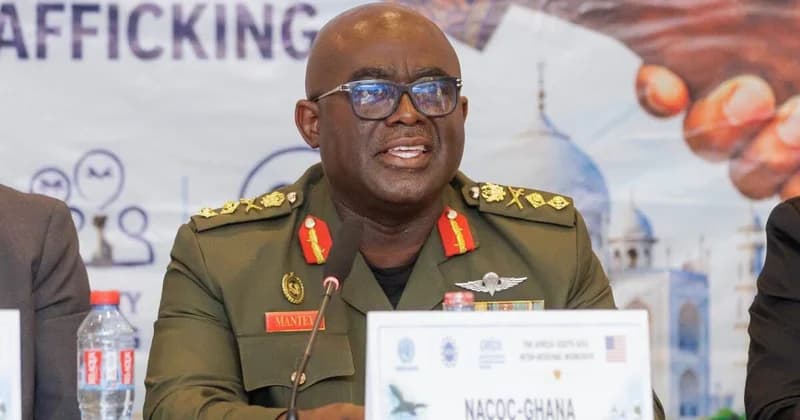
Parallel to these physical threats, Major General Maxwell Obuba Mantey, Director-General of Ghana’s Narcotics Control Commission (NACOC), has raised the alarm regarding the sophistication of global drug trafficking networks. Speaking at the Africa–South Asia Inter-Regional Workshop, Mantey emphasized that criminal organizations are exploiting technology to facilitate the trade of New Psychoactive Substances (NPS) and synthetic opioids like nitazenes. West Africa is increasingly being targeted as a significant market for diverted tramadol and more potent synthetic drugs, which U.S. law enforcement officials warn could have a devastating impact on local communities.
The convergence of these crises—maritime tragedies, insurgent warfare, and organized crime—demands a unified response from regional leaders and the international community. While the UNHCR continues to monitor the dangerous migration corridors, law enforcement agencies are calling for enhanced intelligence sharing and technological cooperation to dismantle the networks fueling instability. As West African nations navigate these complex threats, the focus remains on strengthening regional security frameworks and addressing the socio-economic factors that drive individuals toward dangerous migration paths and criminal activities.
This story touches markets covered on Anansi Intelligence ↗.
More from africa
Continue exploring similar stories


