••
Marigold Foundation and Partners Lead Menstrual Health Initiatives to Support Girls’ Education in Agona East and Amanase
•2 min read•3 sources
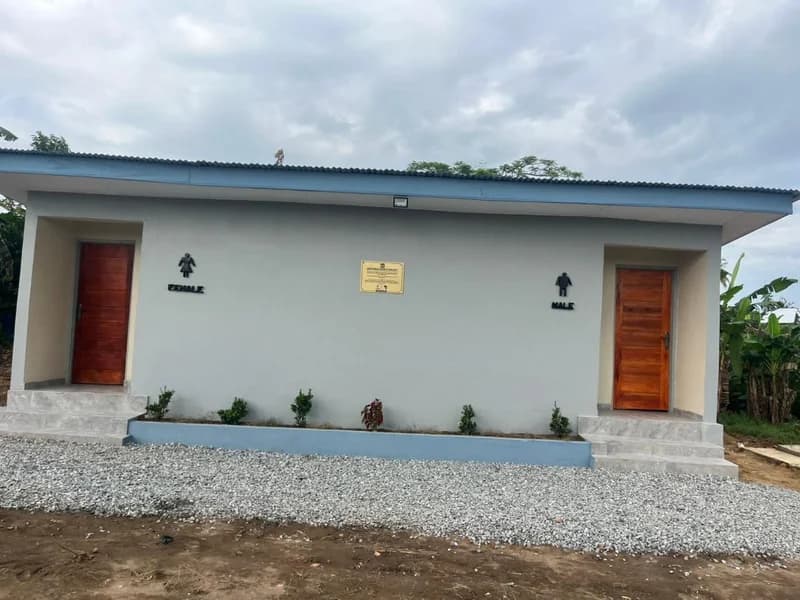
Across Ghana’s Central and Eastern regions, new community-led initiatives are addressing the critical link between menstrual hygiene and educational outcomes for young girls. By providing both essential supplies and infrastructure, organizations like the Marigold Foundation and the Menstrual Dignity Project are working to ensure that menstruation is no longer a barrier to consistent school attendance. These efforts aim to alleviate the financial burden on families while restoring dignity and confidence to thousands of students as they navigate adolescence.
In the Agona East District, the Marigold Foundation has distributed sanitary pads to 1,500 girls as part of its annual commitment to social intervention. Mrs. Justina Marigold Assan, the foundation’s founder, emphasized that the initiative extends beyond mere distribution; it focuses on fostering a comprehensive support system that includes mentorship and hygiene education. By addressing the high cost of sanitary products, the foundation is helping to keep girls in the classroom and ensuring they have the necessary resources to manage their health with pride and awareness.
Parallel to these efforts, the Amanase community is seeing a transformation in its educational landscape through the Menstrual Dignity Project. This collaboration between CEIBS GEMBA 2025 and Fairafric Ghana Limited has delivered dedicated washroom facilities and hygiene kits to over 250 girls. By combining infrastructure with education, the project directly tackles menstruation-related absenteeism, providing a safe and private space for students. Community leaders have stressed that the success of these facilities depends on local ownership and consistent maintenance to ensure they serve future generations of learners.
These combined initiatives signify a growing national recognition of menstrual hygiene as a fundamental pillar of inclusive education. By integrating supply distribution, infrastructure development, and mentorship, stakeholders are creating a more supportive learning environment for Ghanaian girls. Moving forward, the focus remains on scaling these interventions and encouraging community-wide support to sustain the progress made in protecting the dignity and academic future of young women.
This story touches markets covered on Anansi Intelligence ↗.
More from education
Continue exploring similar stories


