••
Mali Military Reports Coordinated Rebel Attacks Across Five Strategic Locations
•2 min read•3 sources
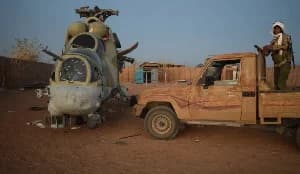
Armed groups in Mali have launched a fresh wave of coordinated attacks across the country, striking five different locations on Saturday. These assaults represent a significant escalation in the ongoing security crisis, occurring just over two months after the capital, Bamako, and several other regions were previously targeted by gunmen. The Malian military confirmed the incidents, which spanned multiple geographical zones, signaling a renewed and organized push by rebel factions to challenge the state's authority and disrupt the nation's fragile stability.
The attacks were strategically distributed, hitting both the northern and southern regions of the country. In the north, the violence reached areas where government forces are stationed alongside Russian fighters, who have been providing security assistance to the Malian military. Simultaneously, gunmen targeted a town south of the capital, Bamako. This multi-front approach demonstrates the rebels' ability to operate deep within government-influenced territory and strike at locations previously considered relatively secure.
This latest surge in violence follows a period of relative calm since the significant assaults reported two months ago. Mali has been grappling with a complex and protracted security environment characterized by an insurgency that has persisted for over a decade. The shift in the tactical landscape, marked by the involvement of foreign paramilitary groups and the withdrawal of international peacekeeping missions, has left the Malian army in a persistent struggle to regain and maintain control over territories seized by various militant groups.
While the military has officially acknowledged the attacks, the full extent of casualties and infrastructural damage remains under assessment. These coordinated strikes underscore the persistent volatility in the Sahel region and the immense challenges facing the Malian transitional government in securing the nation’s borders and interior. As the military responds to these latest incursions, the international community continues to monitor the situation closely, wary of the potential for further displacement and humanitarian distress in the affected regions.
This story touches markets covered on Anansi Intelligence ↗.
More from africa
Continue exploring similar stories


