••
West African Security Shifts: Mali's JNIM Adopts Governance Tactics as Nigeria Rehabilitates Ex-Boko Haram Fighters
•2 min read•2 sources
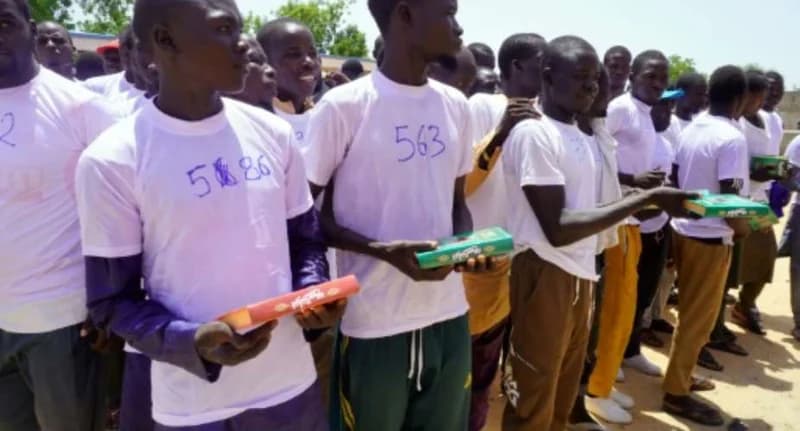
Across West Africa and the Sahel, the approach to managing long-standing jihadist insurgencies is undergoing a significant transformation. In Mali, Al Qaeda-linked militants are pivoting from overt brutality to a form of localized governance to consolidate power, while in Nigeria, the state is intensifying efforts to reintegrate former Boko Haram fighters through vocational rehabilitation. These dual developments highlight a shift in strategy on both sides of the conflict, moving beyond the battlefield to influence civilian populations and social structures.
In Mali, the Jama’at Nusrat al-Islam wal Muslimin (JNIM), an affiliate of Al Qaeda, has begun implementing a sophisticated governance model in territories under its control. No longer relying solely on violent enforcement, the group is now collecting taxes, mediating local disputes, and permitting humanitarian aid organizations to operate in certain areas. Analysts suggest this evolution aims to establish legitimacy among local populations who often view the jihadists' predictable, if strict, rule as preferable to the reported abuses of the Malian military and its allies. Despite JNIM’s military pressure—including high-profile attacks in the capital, Bamako—the Malian government continues to reject any formal dialogue with the group, maintaining a hardline military stance.
Simultaneously, in Nigeria’s Borno State, a significant milestone was reached as approximately 720 former Boko Haram combatants, including women and high-ranking commanders, completed a comprehensive government rehabilitation program in Maiduguri. The initiative focused on vocational training and psychological reorientation, culminating in a formal oath of non-violence. Individual stories, such as that of Ibrahim Mohammed—who was persuaded to defect after a plea from his mother—underscore the personal dimensions of this conflict. However, the program faces scrutiny regarding its long-term effectiveness and the moral challenges of reintegrating individuals who may have been involved in serious atrocities during the insurgency.
These contrasting strategies in Mali and Nigeria reveal the complexity of the security crisis in the region. While JNIM’s shift toward governance represents a tactical attempt to institutionalize extremist influence, Nigeria’s rehabilitation efforts attempt to dismantle the insurgency from within by offering a path back to civilian life. As both nations grapple with these unconventional challenges, the outcomes will likely determine whether the Sahel can transition from a state of perpetual conflict toward a more stable, albeit fragile, peace.
This story touches markets covered on Anansi Intelligence ↗.
More from africa
Continue exploring similar stories


