••
President Mahama Advances Industrialization Agenda with Zonda Tec Expansion as IFC Targets $1.2bn Investment for Ghana
•2 min read•8 sources
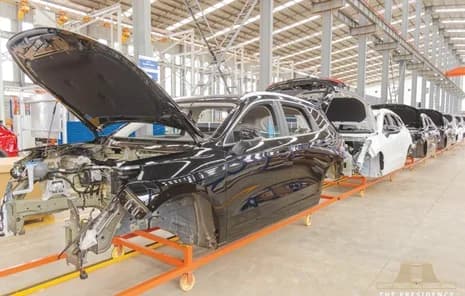
President John Mahama has reinforced Ghana's commitment to industrialization and economic self-sufficiency by commissioning the Phase III expansion of the Zonda Tec vehicle assembly plant in Tema. This development comes as the government, led by Finance Minister Dr. Cassiel Ato Forson, aggressively pursues investment-grade status to stabilize the economy and prevent future financial crises. During the commissioning, President Mahama announced that the Ministry of Finance and the Ministry of Trade and Industry are finalizing new incentives for semi-knockdown vehicle assembly. These incentives will include Value Added Tax (VAT) exemptions for manufacturers who meet specific local-content production thresholds, a move designed to discourage minimal assembly and foster a robust domestic manufacturing ecosystem. The Zonda Tec expansion is expected to boost the plant's capacity to 3,000 vehicles annually, including trucks and trailers, while creating significant job opportunities for the youth. To further support this sector, the President noted plans to facilitate financing for salaried workers to purchase locally assembled vehicles through hire-purchase agreements, positioning Ghana as a central automotive manufacturing hub for the West African sub-region. Complementing these industrial efforts, the International Finance Corporation (IFC) has signaled strong confidence in Ghana's private sector recovery. IFC Managing Director Makhtar Diop revealed a potential investment pipeline of approximately $1.2 billion following discussions with Finance Minister Ato Forson. The IFC's target sectors include energy, infrastructure, and agriculture, with a specific focus on building resilience through local production in areas such as poultry and pharmaceuticals. Dr. Ato Forson emphasized that institutionalizing economic reforms is critical to attracting both domestic and international capital, ensuring that the private sector remains the primary engine for job creation. On the fiscal front, the government is working to broaden the tax base while addressing concerns from the business community. The Ghana Revenue Authority (GRA) recently held workshops on the Modified Taxation Scheme (MTS), which offers a 3% flat tax rate for informal sector businesses with annual turnovers between GHS 20,000 and GHS 750,000. However, formal sector leaders, including representatives from WTS Nobisfields, have called for an urgent review of the current tax penalty regime. Critics describe the existing penalties, which can reach 200% of tax liabilities due to high interest rates, as punitive and a deterrent to voluntary compliance. As the government balances revenue mobilization with investor-friendly reforms, the synergy between industrial growth and fiscal stability remains central to the national economic agenda.
Related topic
Ghana Customs Recruitment: Latest News & Updates →

