••
Resetting Ghana: President Mahama Unveils Massive Infrastructure, Energy, and Agricultural Interventions
•3 min read•47 sources
President John Dramani Mahama has launched an extensive multi-sectoral development drive under his ‘Resetting Ghana’ tour, promising transformative investments in infrastructure, energy, and food security. Central to this agenda is a GH¢4 billion, 18-month intervention by the Ministry of Energy to stabilize the national grid and eliminate distribution-related outages. The President announced the procurement of approximately 3,000 new transformers to replace deteriorating infrastructure, categorically dismissing claims of a return to ‘dumsor’ by clarifying that current interruptions are necessary for system upgrades. This energy push is complemented by a historic GH¢50 billion commitment to road infrastructure, targeting over 2,000 kilometers of roads nationwide between 2025 and 2026, including critical upgrades to the Eastern Corridor and the Chereponi–Bunkpurugu route.
In the agricultural sector, the government is moving to stabilize markets following a significant production surplus in maize, rice, and eggs. To protect farmers from price crashes and post-harvest losses, the National Food Buffer Stock Company (NAFCO) has been allocated GH¢200 million to purchase excess crops. President Mahama has specifically directed the School Feeding Programme to absorb surplus eggs from local poultry farmers affected by halted exports to Burkina Faso. Further agricultural advancements include the procurement of two industrial rice mills for the Northern Region, the establishment of 50 Farmers Service Centres, and a partnership with GB Foods to develop 6,000 hectares in the Afram Plains for tomato production. These measures aim to reduce imports and strengthen Ghana’s position in the global agro-processing market.
On the economic and industrial front, the administration highlighted a decline in inflation to 3.2% and a focus on indigenous ownership. A landmark transition occurred at the Damang Mine, where Engineers & Planners (E&P) took over operations from Gold Fields Ghana, signaling a shift toward local leadership in the mining sector. However, the mining industry continues to face challenges, as evidenced by recent protests in the Ashanti Region where residents demanded community mining concessions from Adamus Resources. Simultaneously, the National Anti-Illegal Mining Operations Secretariat (NAiMOS) has intensified enforcement, recently arresting six Chinese nationals for illegal mining along the Nyaase River and seizing weapons and cash, reinforcing the government’s stance against unauthorized foreign involvement in small-scale mining.
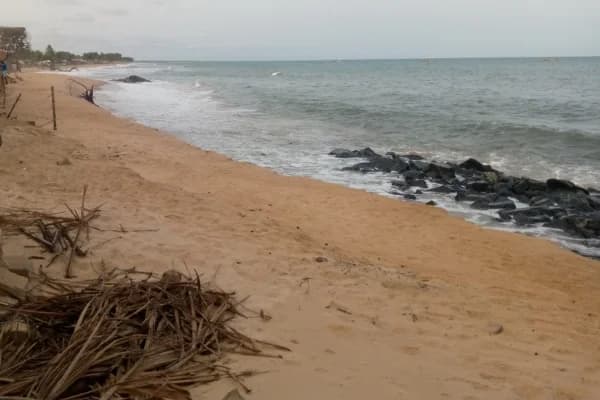
Beyond domestic industry, Ghana is positioning itself as a leader in climate action and environmental regulation. At a recent workshop in Washington, DC, the Minister of State for Climate Change and Sustainability, Seidu Issifu, advocated for high-integrity carbon markets to support the nation’s Climate Prosperity Plans. Locally, the government is facing calls to address stalled sea defense projects in the Volta Region and has introduced new safety regulations for vehicle conversion garages to ensure the roadworthiness of modified vehicles. As these initiatives roll out, the Presidency has scheduled a Government Accountability Series to provide further transparency on agricultural and local government milestones, emphasizing a vision of economic sovereignty and sustainable development.
This story touches markets covered on Anansi Intelligence ↗.
Related topic
John Mahama: Latest News & Updates →Live rates
Ghana gold price →More from politics
Continue exploring similar stories


