••
President Mahama Leads Global Push for Reparatory Justice and UN Recognition of Slave Trade as Crime Against Humanity
•3 min read•10 sources
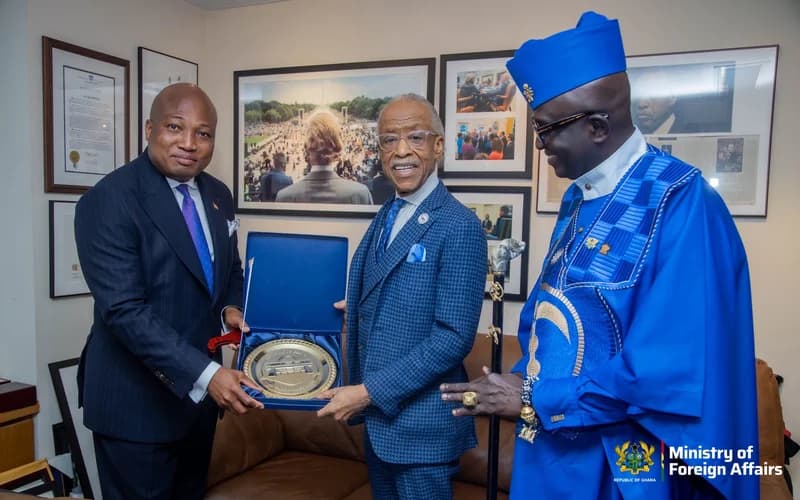
President John Dramani Mahama has intensified Ghana’s international campaign for reparatory justice, calling for the Transatlantic Slave Trade to be formally recognized as a crime against humanity. Central to this effort is a proposed resolution to the United Nations General Assembly, which Mahama plans to present in March 2026. This initiative seeks not only a global acknowledgment of historical injustices but also formal apologies and accountability from the nations and descendants of those who benefited from the centuries-long exploitation of African people. The movement has gained significant international momentum, drawing support from global leaders including Brazilian President Luiz Inácio Lula da Silva and prominent U.S. civil rights activists.
A poignant moment in this campaign occurred in March 2023, when President Mahama led a solemn wreath-laying ceremony at the African Burial Ground National Monument in Lower Manhattan, New York. Accompanied by notable figures such as Reverend Al Sharpton and Assemblymember Zohran Mamdani, Mahama honored the memory of the nearly 20,000 Africans buried at the site, many of whom were enslaved. During the event, he underscored Ghana’s unique historical burden, noting that the country is home to over 30 slave castles and forts—the highest concentration in Africa. He reflected on the resilience of those who survived the Middle Passage and emphasized that many of those buried in New York likely began their forced journey from the shores of present-day Ghana.
Beyond commemoration, Mahama has utilized international platforms to critique the ideological foundations of the slave trade, describing it as a deliberate, systematic effort to dehumanize Africans through a "false racial hierarchy" that deemed whiteness superior. In addresses at the UN and various summits, he has detailed the brutal conditions of capture and transportation that stripped millions of their identity and dignity. This rhetoric is supported by international relations experts, such as Nana Yaw Mireku, who argue that formal recognition is the essential first step toward addressing the lasting socio-economic effects of slavery on African nations and the global diaspora.
The push for justice is evolving into a coordinated diplomatic effort. Following discussions at the CELAC-Africa Summit in Colombia, Brazil has pledged its support for the Ghanaian initiative, signaling a growing consensus among nations of the Global South. As the 2026 target for the UN resolution approaches, the focus remains on securing a formal apology and establishing a framework for reparatory justice. For Mahama and his supporters, this is a necessary process to restore the dignity of African people and ensure that the history of racial injustice is never erased or ignored by the international community.
This story touches markets covered on Anansi Intelligence ↗.
Related topic
John Mahama: Latest News & Updates →More from africa
Continue exploring similar stories


