••
Mahama Launches Landmark Housing Scheme for Public Workers Amid Calls for Accountability on Stalled Projects
•2 min read•12 sources
President John Dramani Mahama has officially launched a landmark low-cost housing initiative targeting Ghana's public sector workforce, including teachers, nurses, and doctors. Unveiled during the sod-cutting ceremony for the Dedesua Green City project in the Bosomtwe District, the scheme introduces 15-to-20-year Cedi-denominated mortgages. This move is specifically designed to shield workers from the volatility of dollar-linked payments while addressing a national housing deficit estimated between 1.5 and 1.8 million units. The President emphasized that making housing accessible beyond major cities is a priority for his administration.
Central to this initiative is a GH‛3 billion Revolving Fund established in partnership with Organised Labour and local financial institutions. The Dedesua project, situated on land donated by the Asantehene, Otumfuo Osei Tutu II, aims to deliver over 1,000 units, with the first phase of 214 units slated for completion by late 2027. To keep the final housing prices low, President Mahama confirmed that the government would absorb the costs of essential infrastructure. He also invited Ghanaians in the diaspora to invest in the project, assuring them of a secure, litigation-free land acquisition process.
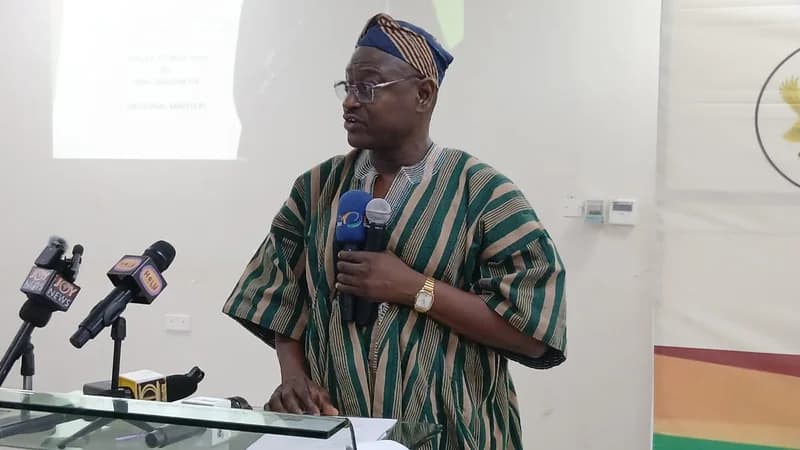
However, the launch has also brought to the fore urgent calls for accountability regarding stalled government promises. Traditional leaders, represented by Daasebre Osei Bonsu III (Mamponghene), have urged the administration to prioritize results over unfulfilled promises. This sentiment is particularly strong in Jadema, where a promised rice mill remains unstarted after more than a year, prompting North East Regional Minister Ibrahim Tia to seek new engagement with the World Food Programme. Similarly, reports from Assin South indicate that a multi-million Cedi starch factory under the One District One Factory (1D1F) program has been overtaken by weeds due to funding and logistical bottlenecks, leaving local farmers and youth disillusioned.
Beyond physical infrastructure, the administration is pushing for systemic reforms in the housing and local governance sectors. President Mahama highlighted the weak enforcement of the six-month rent advance law, pledging to strengthen protections for tenants against exploitative landlords who demand years of payment upfront. Simultaneously, local government officials, such as Tamale Mayor Adam Abubakari Takoro, are implementing new transparency measures and development agendas to align with the national accountability program. As the government seeks to bridge the infrastructure gap, the success of these initiatives will depend heavily on the effective management of the new revolving fund and the resolution of delays affecting regional industrial projects.
This story touches markets covered on Anansi Intelligence ↗.
Related topic
John Mahama: Latest News & Updates →Live rates
Dollar to cedi rate →More from politics
Continue exploring similar stories


