••
Governance Under Scrutiny: Mahama Orders Procurement Probes as Demands for Galamsey Accountability Peak
•3 min read•27 sources
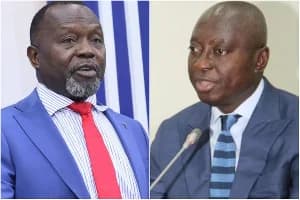
The Ghanaian political landscape is currently dominated by intense scrutiny over government accountability, focusing on controversial procurement practices and the persistent challenge of illegal mining, or 'galamsey.' President John Dramani Mahama has recently directed an investigation into the 'Big Push' infrastructure program following allegations of widespread irregularities in contract awards. This move comes amid a heated national debate over the use of sole-sourcing, with reports revealing that 88 out of 107 road contracts were awarded without competitive tendering. While procurement experts like Kobina Atta-Bedi have called for urgent reforms to align with international transparency standards, members of the New Patriotic Party (NPP) have criticized the President's investigative directive as an 'indictment' of his own Roads Minister, Governs Kwame Agbodza, and a failure to honor previous promises of procurement reform.
In the environmental sector, the government is facing mounting pressure to move beyond administrative sanctions for officials complicit in illegal mining. Dr. Ken Ashigbey, CEO of the Ghana Chamber of Mines, and other advocates have demanded the criminal prosecution of District Chief Executives (DCEs) found to be taxing illegal mining equipment. These calls follow the suspension of the controversial 'Galamsey Tax,' a move that has intensified public frustration. Political analysts, including Professor John Osae-Kwapong, argue that the cycle of blame between the major political parties regarding these levies hinders genuine accountability. Meanwhile, National Petroleum Authority Chief Godwin Edudzi Tamakloe has warned that any assembly continuing to collect such informal fees is in direct defiance of presidential directives.
Simultaneously, the government is managing a critical transition in the formal mining sector as the lease for the Damang Mine nears its April 18 expiration. The Parliamentary Select Committee on Lands and Natural Resources has expressed support for a transparent tender process to select a new operator, with Mines Minister Emmanuel Armah-Kofi Buah guaranteeing zero job losses for the current workforce. This focus on state asset management is further reflected in new policies from the State Interest and Governance Authority (SIGA), which is promoting inter-trading among state entities. This strategy aims to enhance efficiency and retain revenue within the state ecosystem, though it remains under observation by governance experts to ensure it does not stifle competitive fairness.
On the legal and political fronts, significant developments are shaping the lead-up to future elections. In the courts, Samuel Atta Akyea, lawyer for former National Signals Bureau Director-General Kwabena Adu-Boahene, has dismissed allegations of a $7 million fund diversion as a 'comical joke,' asserting that the funds were held in official National Security accounts rather than personal ones. Within the NPP, National Chairman aspirant Boakye Kyeremateng Agyarko has bolstered his campaign by appointing political veterans Henry Quartey and Osei-Owusu to leadership roles, signaling a strategic push to revitalize the party structure ahead of the 2028 general elections. These converging issues of legal integrity, resource management, and political strategy underscore a pivotal moment for Ghanaian governance and institutional transparency.
This story touches markets covered on Anansi Intelligence ↗.
Related topic
NPP (New Patriotic Party): Latest News →More from politics
Continue exploring similar stories


